
Famous People
The History Hall of the Svetlogorsk Tourist Information Center, at K. Marksa Street 7A, presents an exhibition about famous creative people whose lives were connected with the resort.
The route introduces the places associated with them and is available all year round with an audio guide.
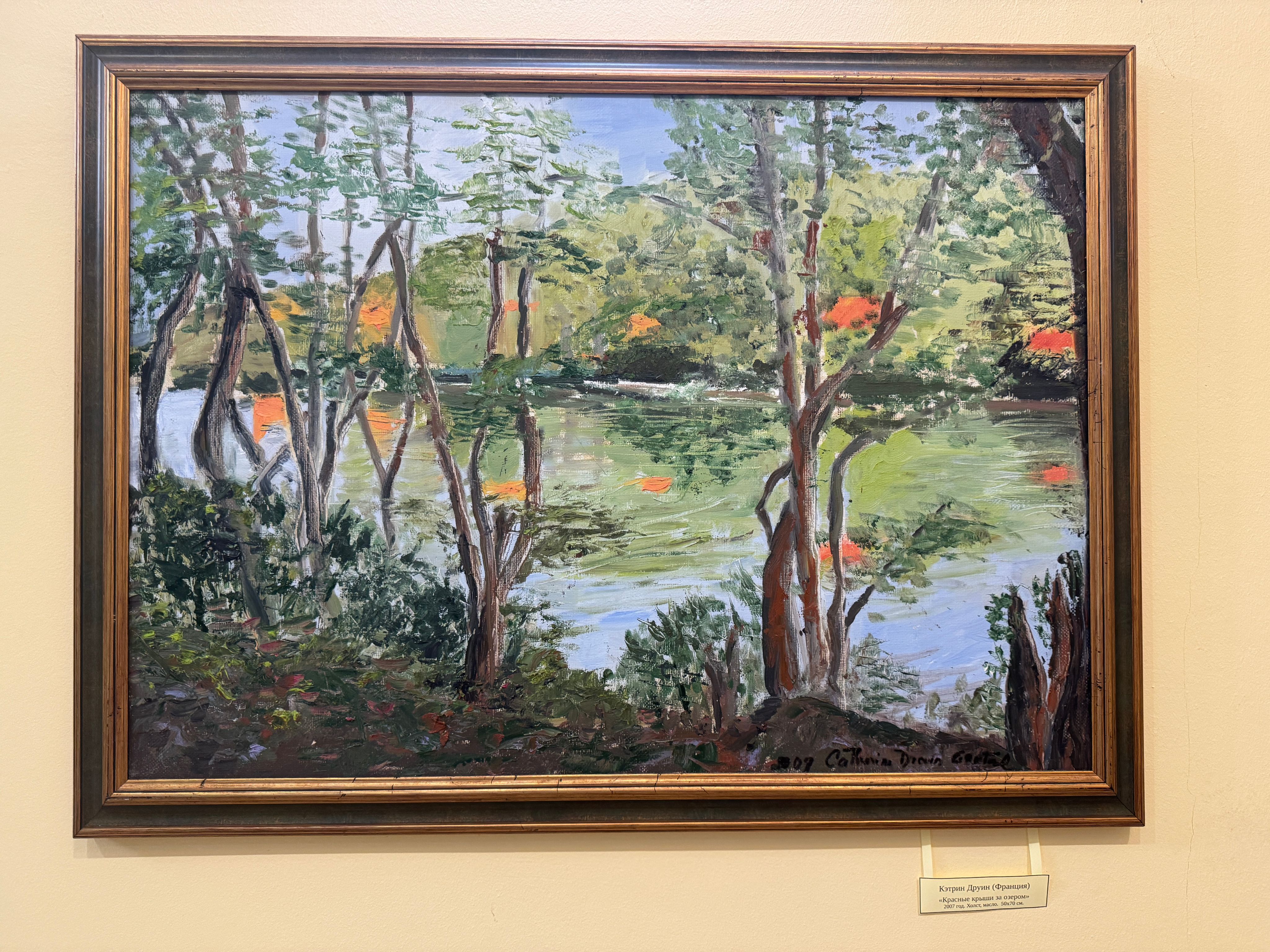
Melekhov Oleg Aleksandrovich (1946) is a graphic artist, painter and sculptor. He revived the tradition of International plein-air events in the region.
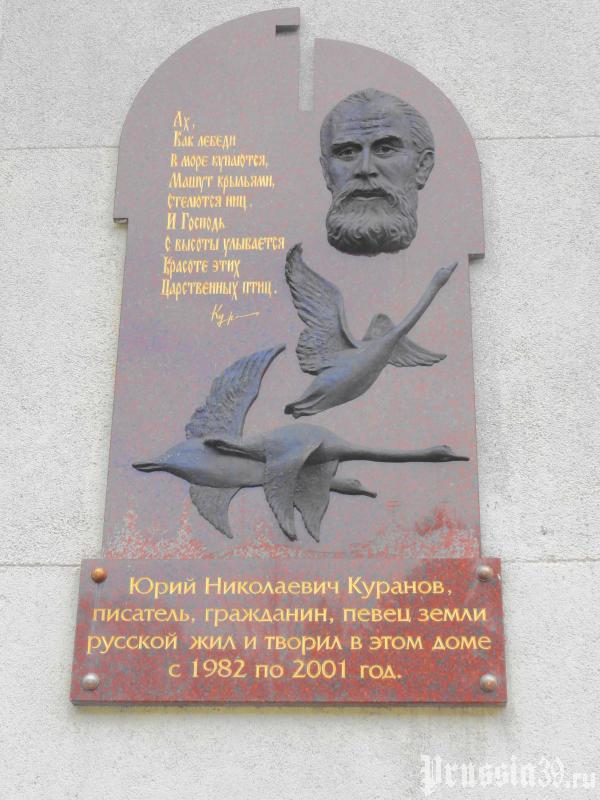
Kuranov Yuri Nikolayevich (1931-2001) was a Russian writer, prose author, poet and essayist. He is recognised as a master of the lyrical miniature and a successor to the Turgenev tradition of prose poems. Kuranov's distinctive style created an original romantic world that was mysterious and spiritual. His books have been translated into 20 foreign languages. In Svetlogorsk, a memorial plaque created by N.P. Frolov is installed on the house where the writer lived and worked from 1982.
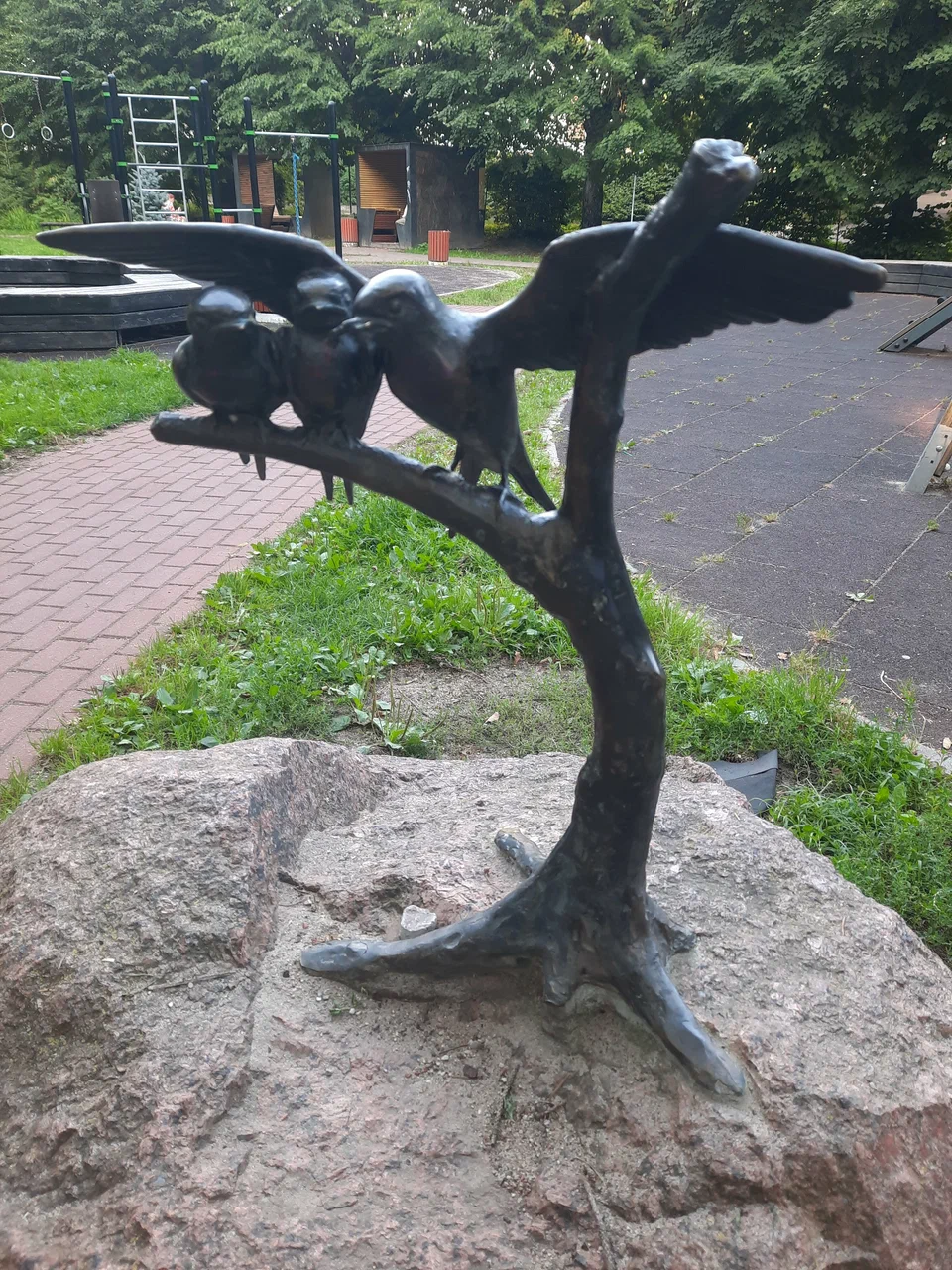
Nearby, in the square on Marksa Street created in spring 2020 and named after Yuri Kuranov, visitors can see bronze figures depicting characters from his stories The Princess, Swallow's Gaze and Feast at Dawn.
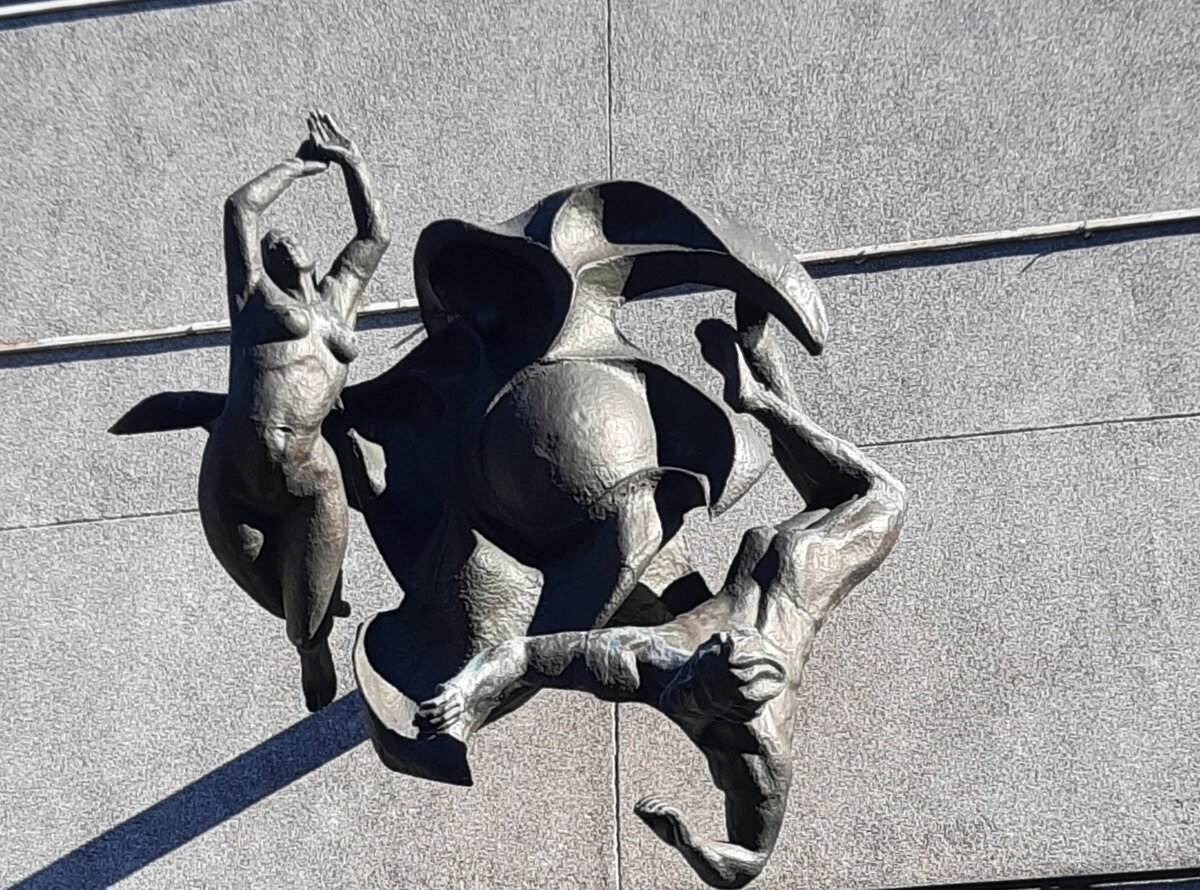
Frolov Nikolay Pavlovich (1942) is an artist and monumental sculptor. He has lived and worked in Svetlogorsk since 1966.
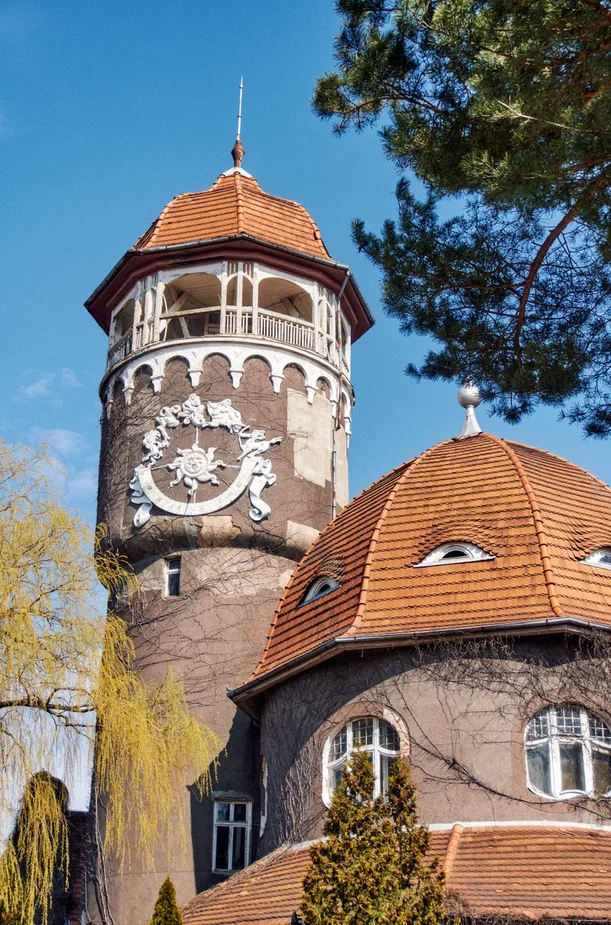
Frolov also created the sundial on the Water Treatment Tower.
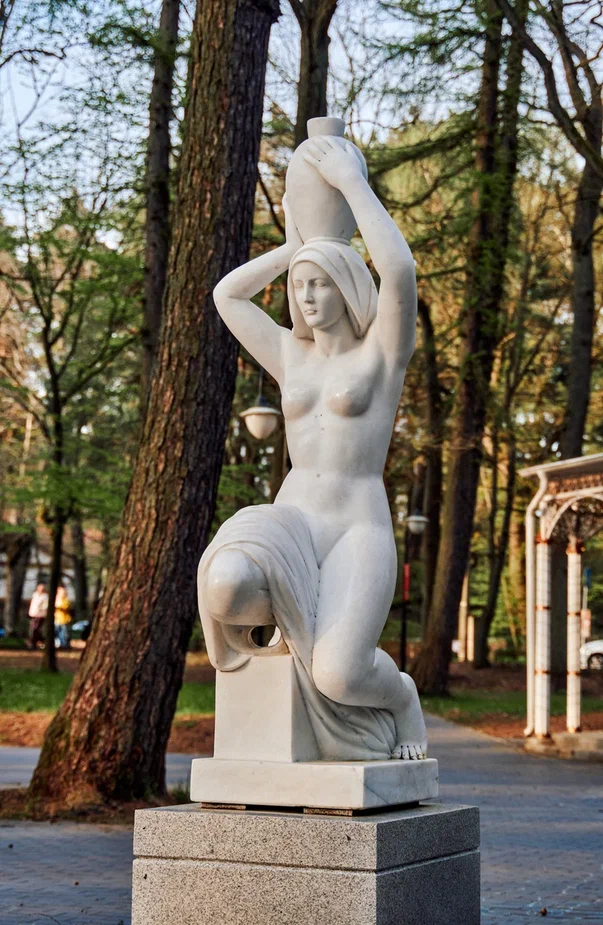
The Water Carrier sculpture (German: Wassertraegerin) was created in marble in 1940 by the renowned German sculptor Hermann Brachert (1890-1972) in Georgenswalde, now the western part of Svetlogorsk and formerly Otradnoye, in the workshop on the grounds of the house where the sculptor's family lived. From 1944 to 2002, the sculpture stood in Listvennichny Park (Larch Park), but because it was at risk of complete destruction, it was dismantled on October 15, 2002 and taken to the Hermann Brachert House Museum for restoration, where it remains today. A precise copy of the sculpture was produced at the Hermitage to replace the original and installed in the park at its former location in 2005. In 2020, during the reconstruction of Listvennichny Park, the copy was transferred to the Kaliningrad Museum of Fine Arts. Today, a new marble copy of the sculpture stands in the park. It is a cultural heritage site of regional significance.
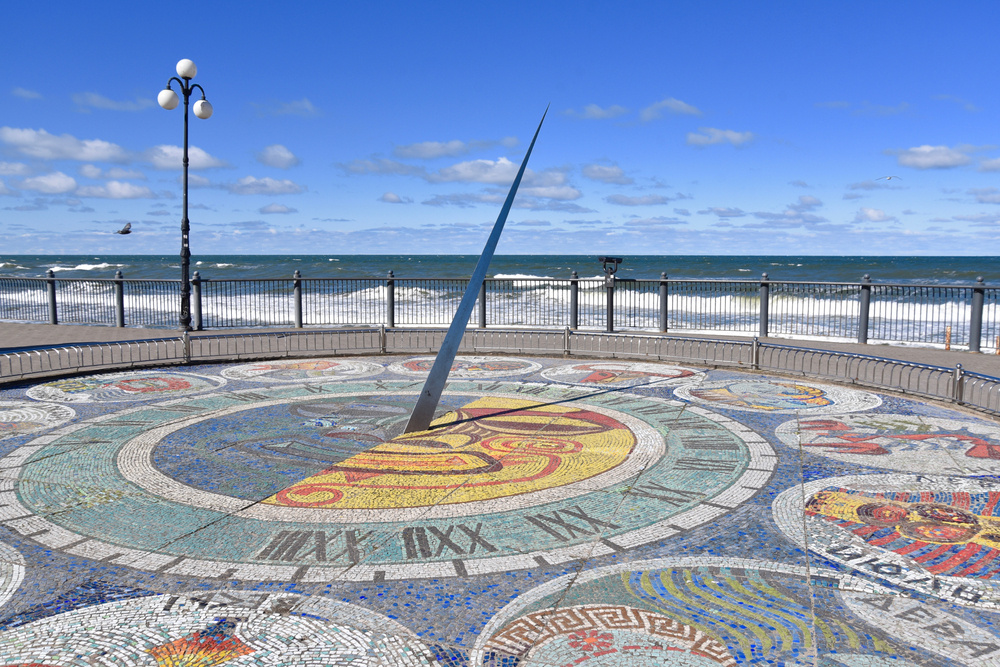
Thanks to him, the famous Zodiac Sundial, created using a mosaic technique, appeared on the Svetlogorsk promenade. The sundial was entered in the Guinness Book of Records for the precision and originality of its composition.
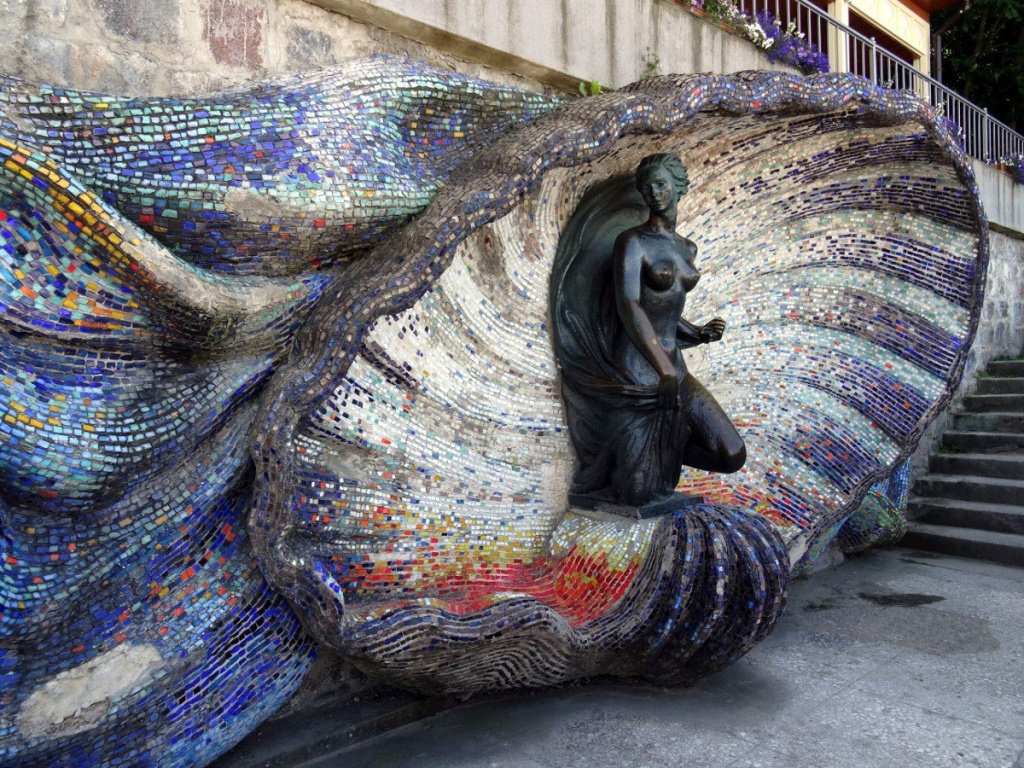
He created the smalt mosaic shell surrounding Hermann Brachert's Nymph sculpture.
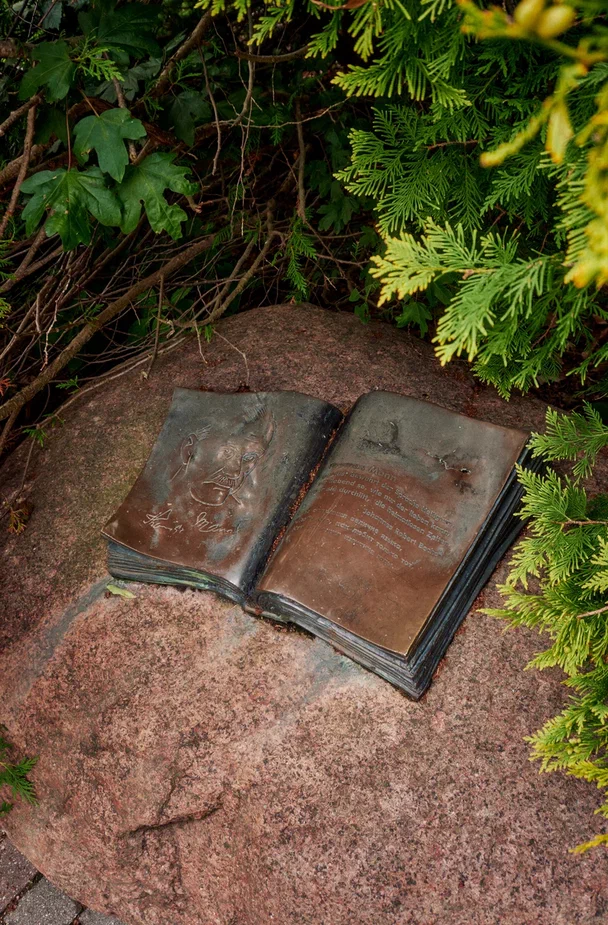
Thomas Mann (1875-1955), one of the greatest German writers and a Nobel Prize laureate, spent almost a month in Rauschen, from July 29 to August 23, 1929, at the invitation of the Goethe Union to take part in public literary readings. The writer stayed on the Promenade near the Kurhaus. It was here that the novella Mario i Fokusnik (Mario and the Magician) was written.
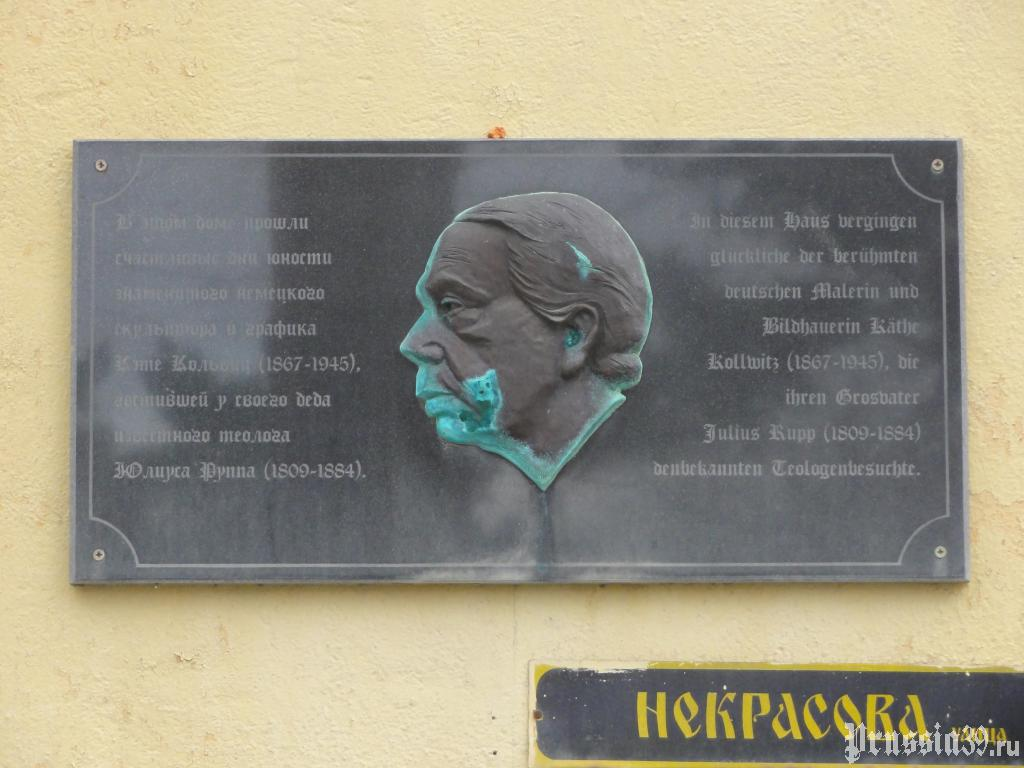
Käthe Kollwitz (1867-1945) was a world-famous artist, graphic artist and sculptor. She spent her summers with her uncle in Rauschen. A house that once belonged to the large family of Julius Rupp and Karl Schmidt, Käthe Kollwitz's grandfather and father, still survives in Svetlogorsk. The house is known as Villa Ruppa. Her graphic works connected with Russian history became widely known: the lithograph Help Russia from 1921 and the lithograph We Defend the Soviet Union! from 1932.
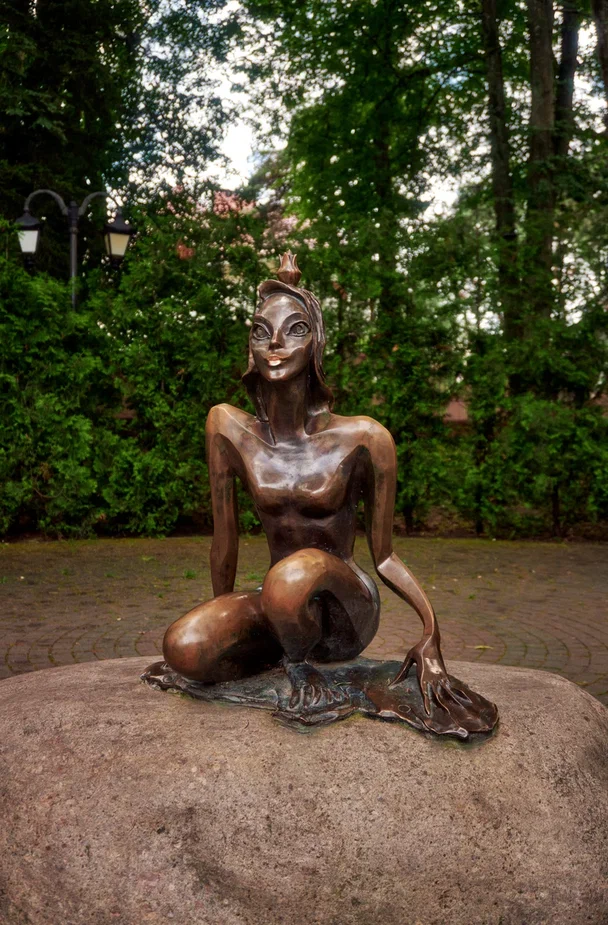
Frog Princess (Tsarevna-Lyagushka), a character from a Russian folk tale, is depicted at the moment when she has already shed her frog skin and begun to transform into a beautiful princess. According to a belief, if you exchange kisses with the princess by touching your finger first to your own lips and then to hers, your dearest wish will come true. Author: Honoured Artist of Russia Oleg Melekhov. 2006, bronze.
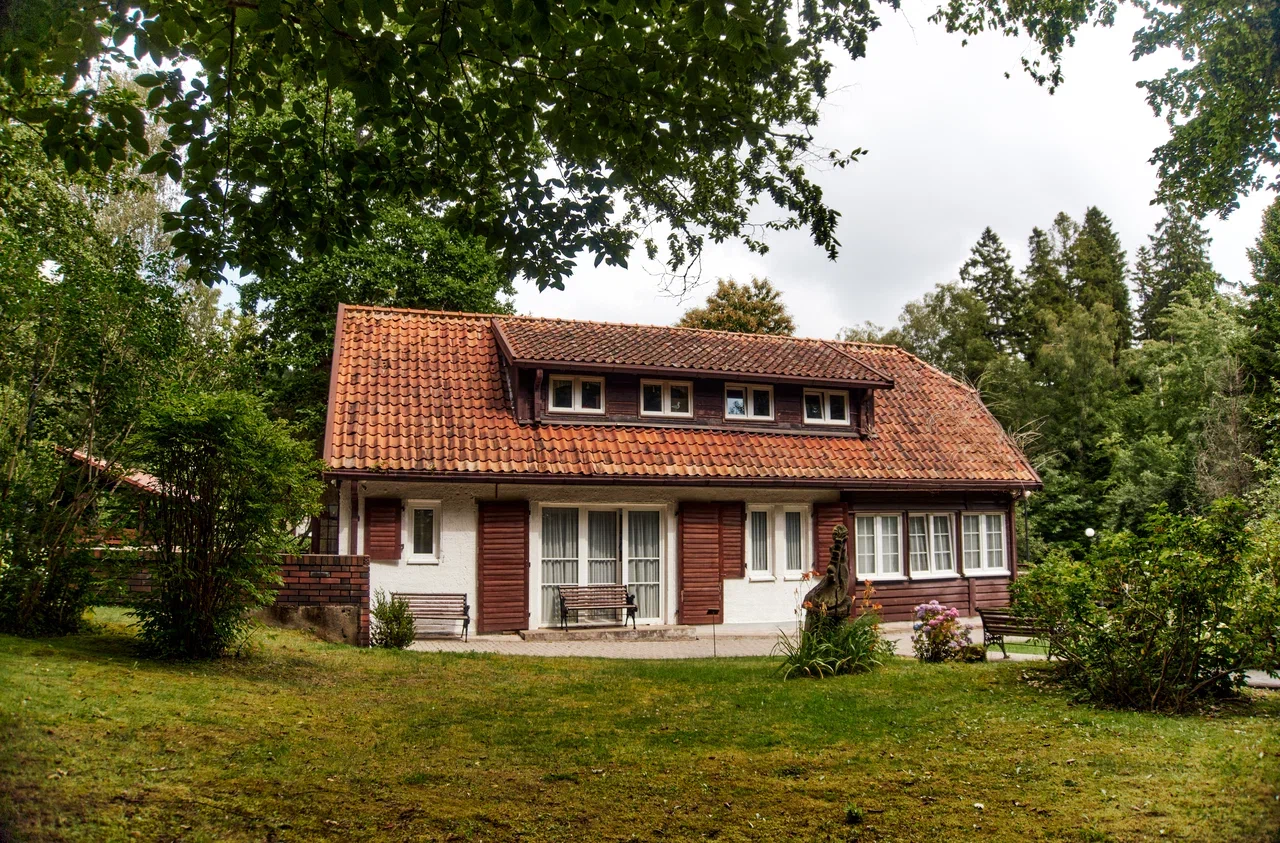
Around 20 monumental sculptures by Brachert were installed in East Prussia. In 1933, because he did not share Nazi views, the sculptor was banned from professional and teaching activities, left Königsberg and settled in his summer house in Georgenswalde (today a district of Svetlogorsk). He lived there as an independent artist until 1944.
Popular routes
Country houses, villas and boarding houses were built in park areas and blended harmoniously into the surrounding landscape. Follow the route to discover the architectural monuments that have survived to this day.
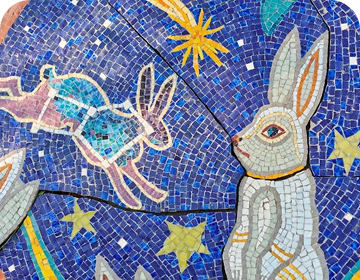
The history of mosaics in Svetlogorsk begins with the famous Zodiac sundial by Nikolay Pavlovich Frolov, created in the 1970s. Artists from the annual Svetlogorsk festival The Sea Within decided to continue this tradition and, with the support of the administration of the Svetlogorsk Urban District, created the Mosaic Route project, a virtual museum based on contemporary atmospheric surrealist art. The route not only encourages visitors to take a closer look at Svetlogorsk's unique nature and architecture, but also introduces contemporary cultural events at the resort: exhibitions, concerts, festivals, film screenings, workshops and musical picnics with the route's characters. The project organisers hold quest walks where participants can receive an exclusive route map showing all 25 art objects of the open-air museum and immerse themselves in the history of Svetlogorsk's mosaic heritage.
A map of the quest route for independent exploration can be purchased at the Information and Tourist Center of Svetlogorsk.
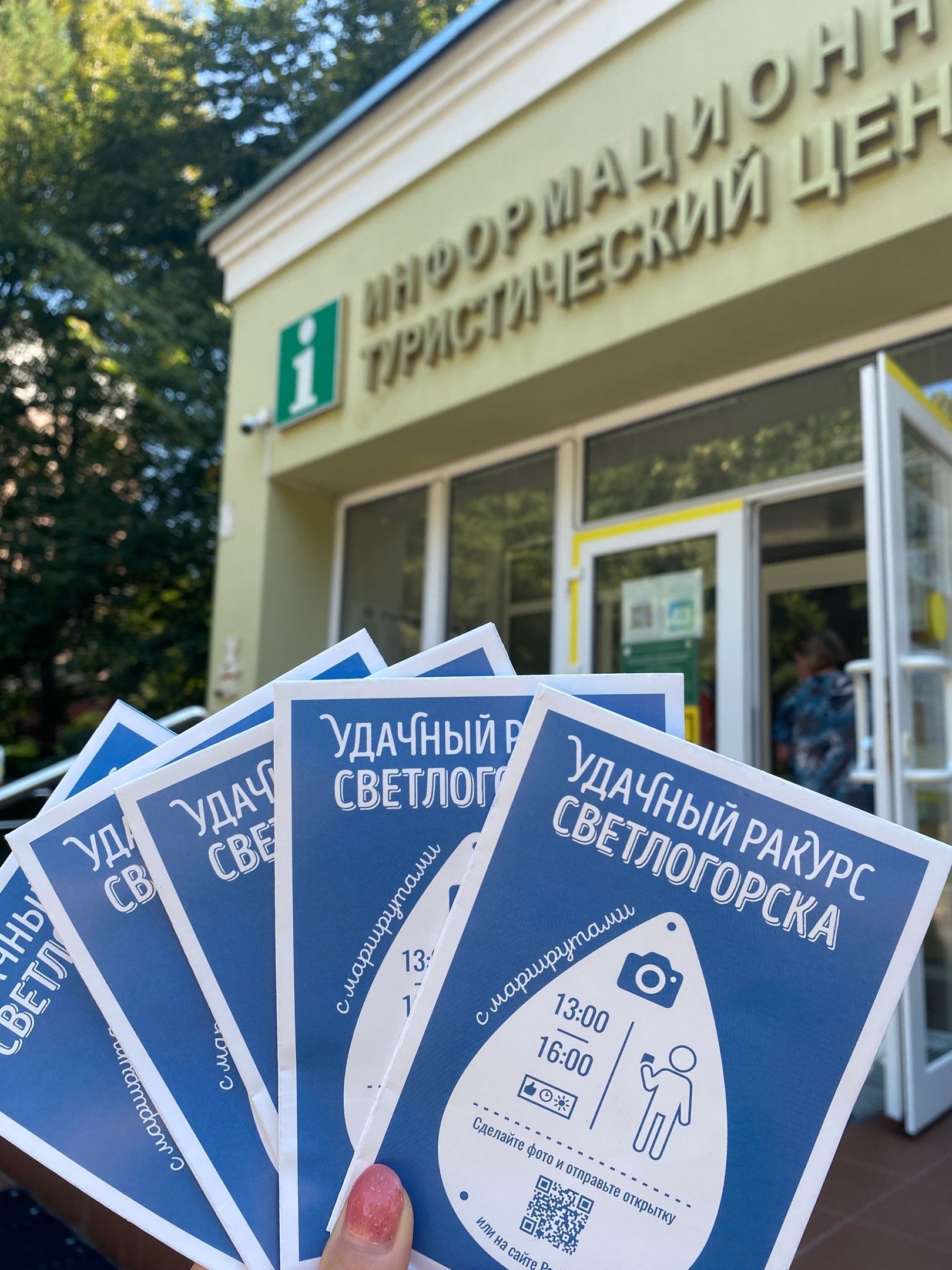
The Perfect Angle tourist route helps you take more interesting photographs in Svetlogorsk. Look for droplet-shaped signposts near the town’s attractions: they mark the places from which the best photographs can be taken. Symbols on the signs indicate the best time and position for taking a photograph, the position of the smartphone, and a QR code leading to the Svetlogorsk Tourist Information Center website, where information about all the route’s attractions is available.
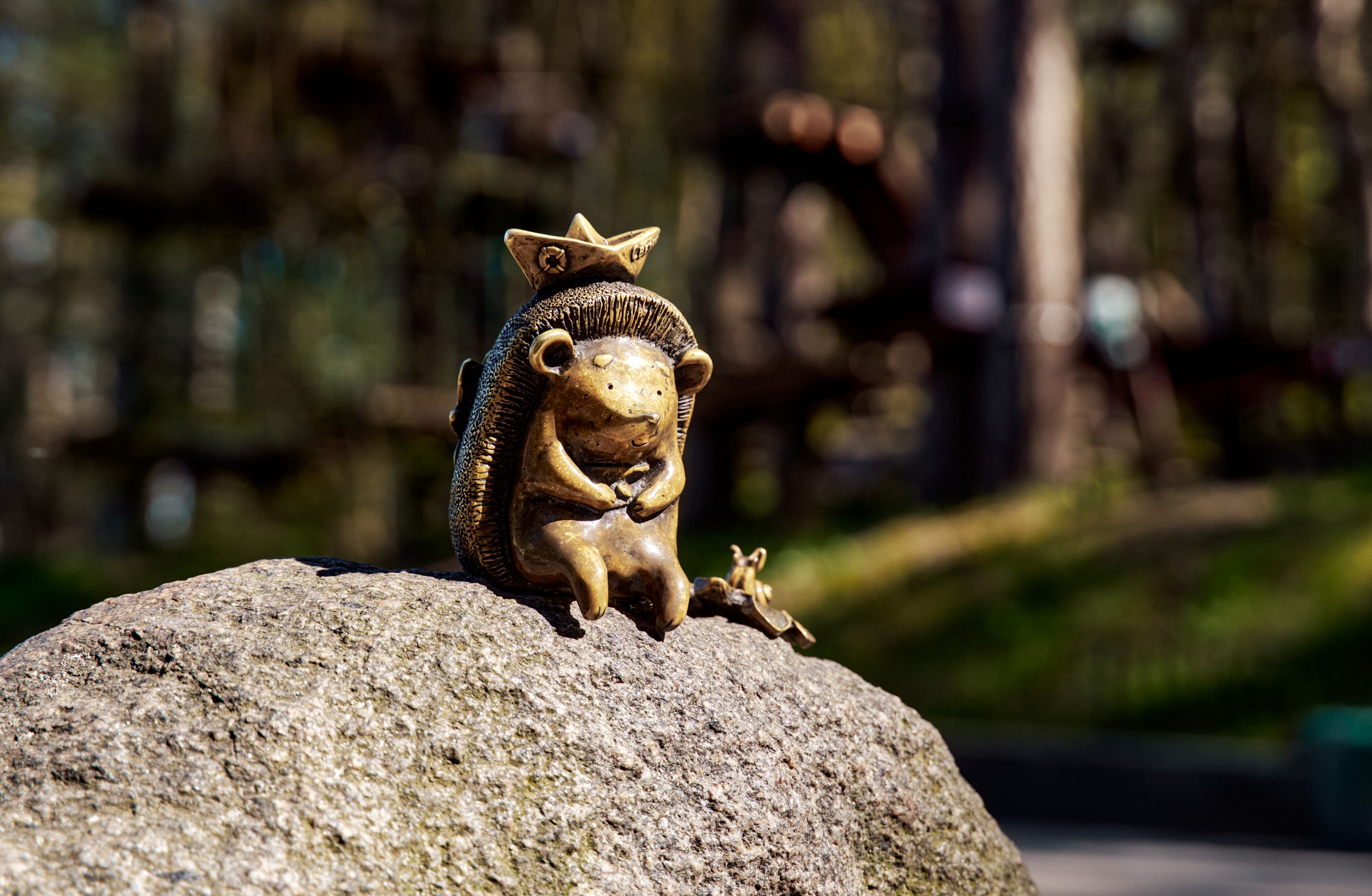
Svetloyozhiki is a children’s quest route created by the authors of the Mosaic Route and laid out around Lake Tikhoye in Svetlogorsk.