
Architectural Monuments of the Resort
At the beginning of the 20th century, Rauschen — the town’s German name until 1947 — was a favourite holiday destination for wealthy residents of Königsberg. Country houses, villas and boarding houses were built in park areas and blended harmoniously into the surrounding landscape. During this period, an entire resort complex was erected according to a single plan.
Follow the route to discover the architectural monuments that have survived to this day.
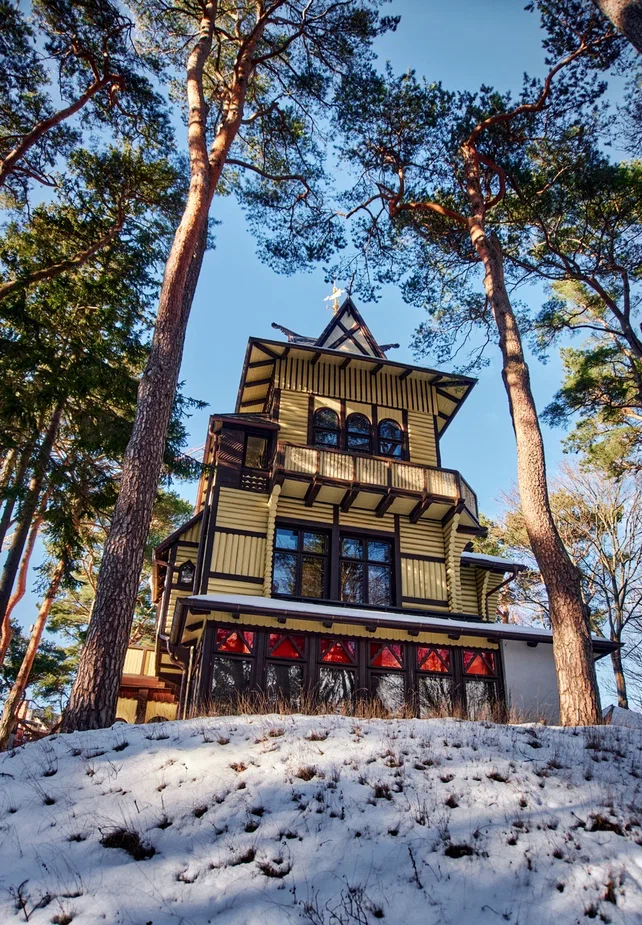
The building was constructed in 1926 in the Art Nouveau style using numerous decorative wooden elements. Architect: Hugo Goering. The Sea View boarding house was located in the building. Hunting trophies were prominently displayed in the interior, which is why the house acquired the unofficial name Hunting House.
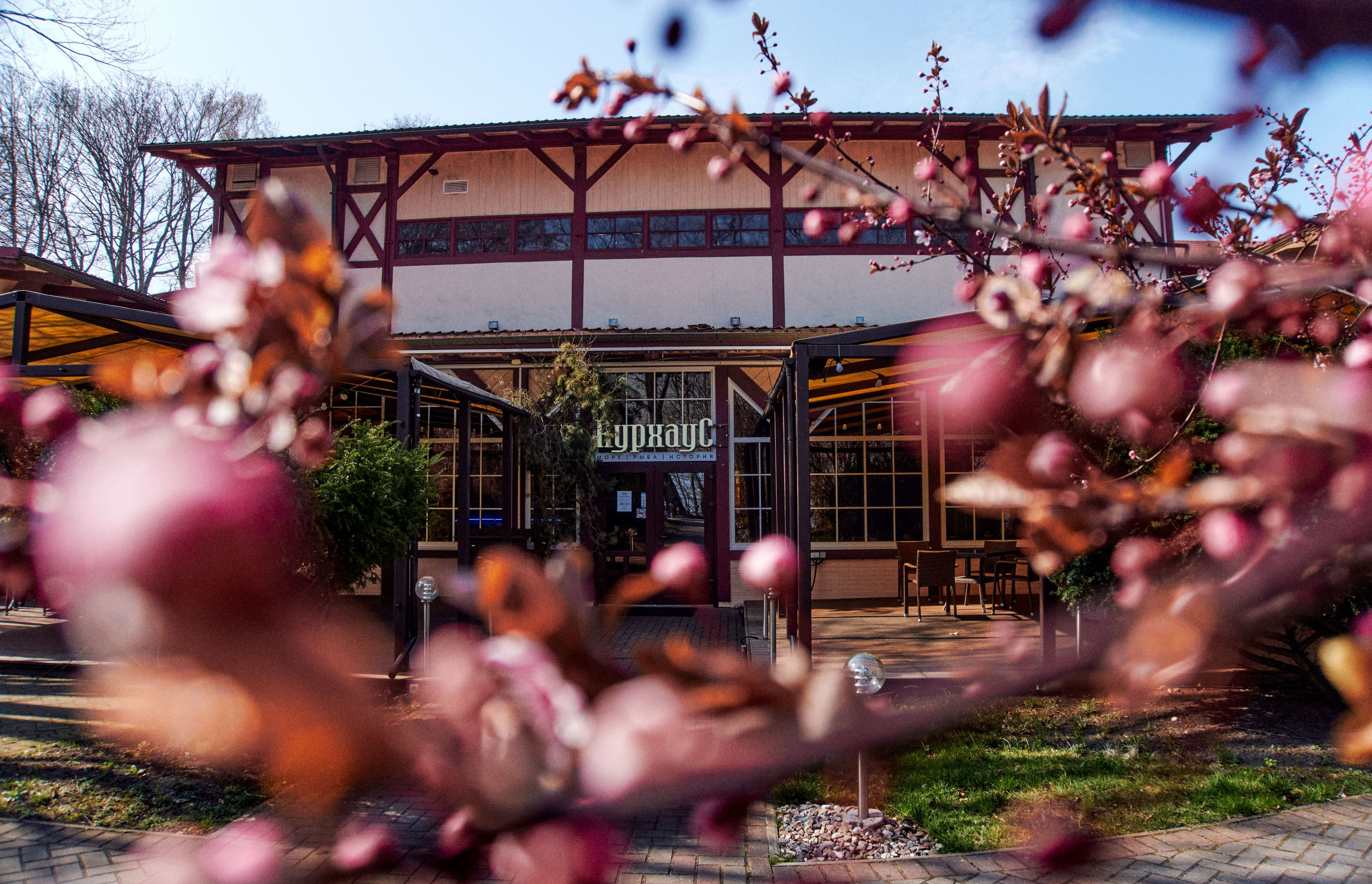
The Rauschen Kurhaus (German: Kurhaus, resort house) was built in 1901. In German resort towns, Kurhaus status was granted to a hotel that served as the center of resort life, taking into account its elegance, convenient location and facilities for holidaymakers' entertainment. The building was designed in a style typical of German seaside towns in the early 20th century, with elements of Jugendstil, the German term for Art Nouveau. Spacious glazed verandas were used for reading newspapers, playing billiards and card games. Concerts were held in the large hall, which from August 2, 1903 also hosted Lutheran services for holidaymakers throughout the resort until a church was built in Rauschen. The Kurhaus complex also included three wooden buildings whose rooms were rented to holidaymakers only during the summer season. A distinctive feature of the Rauschen Kurhaus was that it did not belong to the town but was a private establishment owned by the Kempf family. The building was reconstructed in 2002 and today houses a restaurant complex of the same name. It is a cultural heritage site of regional significance.
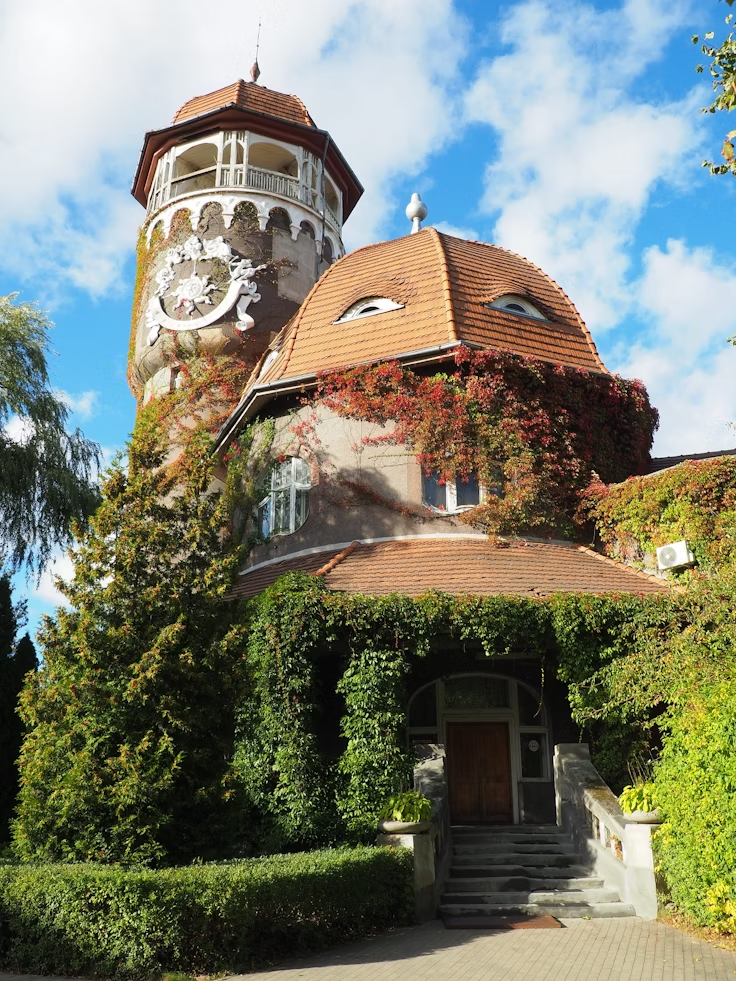
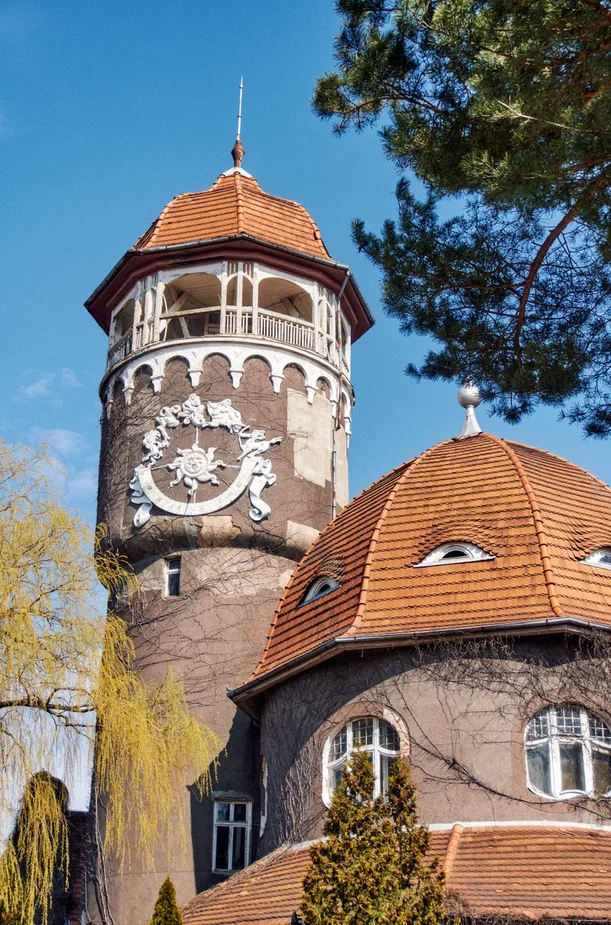
The building of the seawater and mud treatment facility with a 25-metre water tower (German: Wasserturm Rauschen) was erected in 1900-1908 to a design by architect Otto-Walter Kuckuck. Built in the National Romantic style, it became the dominant feature and organising element of the upper, dune-side part of Rauschen. The tower supplied Rauschen with water drawn from springs near Melnichny Prud (Mill Pond), now Tikhoye Lake. At the water and mud treatment facility, visitors could take warm seawater and carbon dioxide baths and receive mud, electrical and light therapy, as well as therapeutic massage. In 1978, the tower was decorated with a sundial created by Svetlogorsk artist and monumental sculptor N.P. Frolov. Beneath the helmet-shaped roof is an observation deck overlooking the town and its surroundings. Today, the tower and the operating water and mud treatment facility are part of the Svetlogorsk Military Sanatorium. It is a cultural heritage site of regional significance.
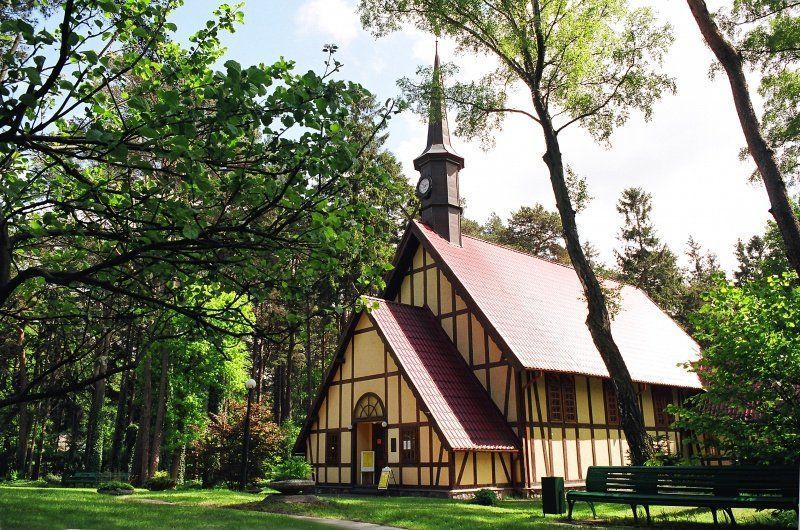
The only private organ hall in the Kaliningrad Region is housed in the restored building of a Catholic chapel built in 1931. Since 1995, the magnificent organ made by Xyro Mayer has sounded here, and organ music concerts are held regularly.
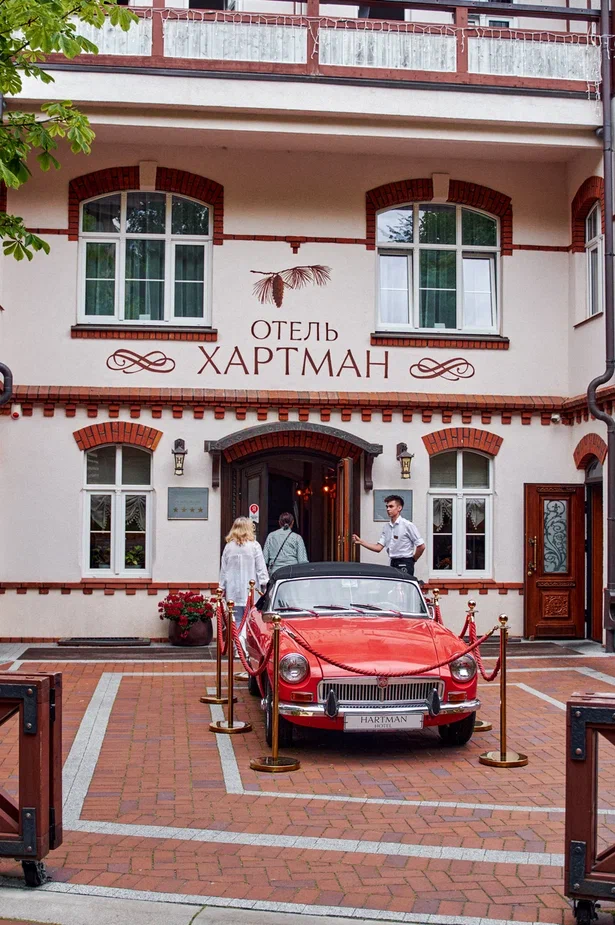
The hotel was first mentioned in 1910 as a summer hotel called Opushka Lesa (Forest Edge). In 1925, the new owner, Willi Hartmann, radically changed the concept of the establishment: the hotel became a year-round property, the interior was changed and a restaurant opened. The hotel received a new name, Hartman, and became known for its hospitality and excellent cuisine.
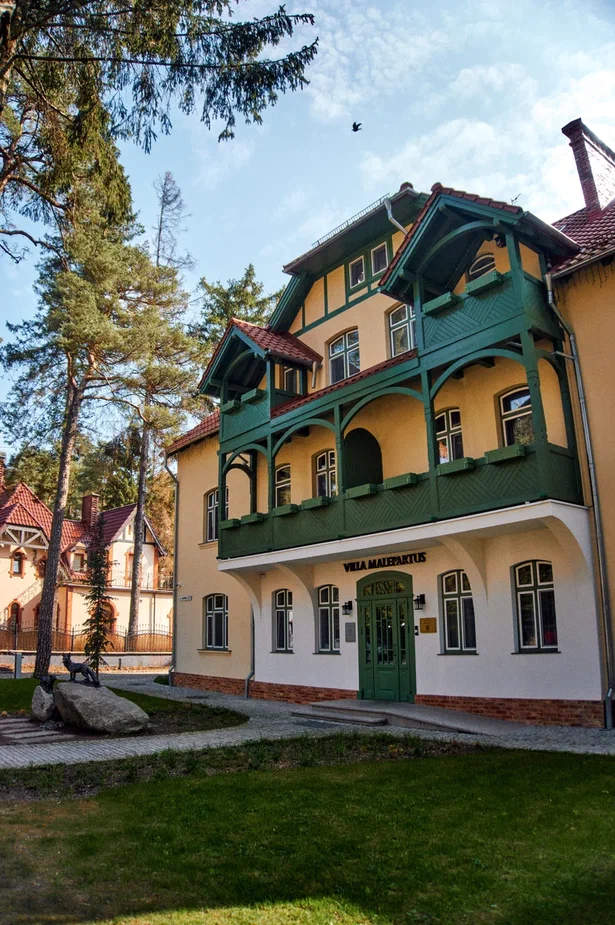
The hotel is located on the quiet and picturesque Gagarina Street in a historic German mansion built in 1904. Before the war, it housed a private boarding house, and during the Soviet period it was one of the buildings of the Svetlogorsk Sanatorium. During reconstruction carried out in 2024, the building retained as much of its original appearance as possible. The mansion is included in the register of cultural heritage sites of regional significance in the Kaliningrad Region.
.png)
The Rauschen Lutheran church was founded in 1903 using private donations and consecrated on July 7, 1907. Architects: Otto Walter Kuckuck and Wichmann. In 1992, the building was consecrated as the Orthodox Church of Saint Seraphim of Sarov.
Popular routes
Country houses, villas and boarding houses were built in park areas and blended harmoniously into the surrounding landscape. Follow the route to discover the architectural monuments that have survived to this day.
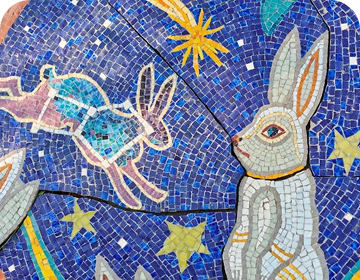
The history of mosaics in Svetlogorsk begins with the famous Zodiac sundial by Nikolay Pavlovich Frolov, created in the 1970s. Artists from the annual Svetlogorsk festival The Sea Within decided to continue this tradition and, with the support of the administration of the Svetlogorsk Urban District, created the Mosaic Route project, a virtual museum based on contemporary atmospheric surrealist art. The route not only encourages visitors to take a closer look at Svetlogorsk's unique nature and architecture, but also introduces contemporary cultural events at the resort: exhibitions, concerts, festivals, film screenings, workshops and musical picnics with the route's characters. The project organisers hold quest walks where participants can receive an exclusive route map showing all 25 art objects of the open-air museum and immerse themselves in the history of Svetlogorsk's mosaic heritage.
A map of the quest route for independent exploration can be purchased at the Information and Tourist Center of Svetlogorsk.
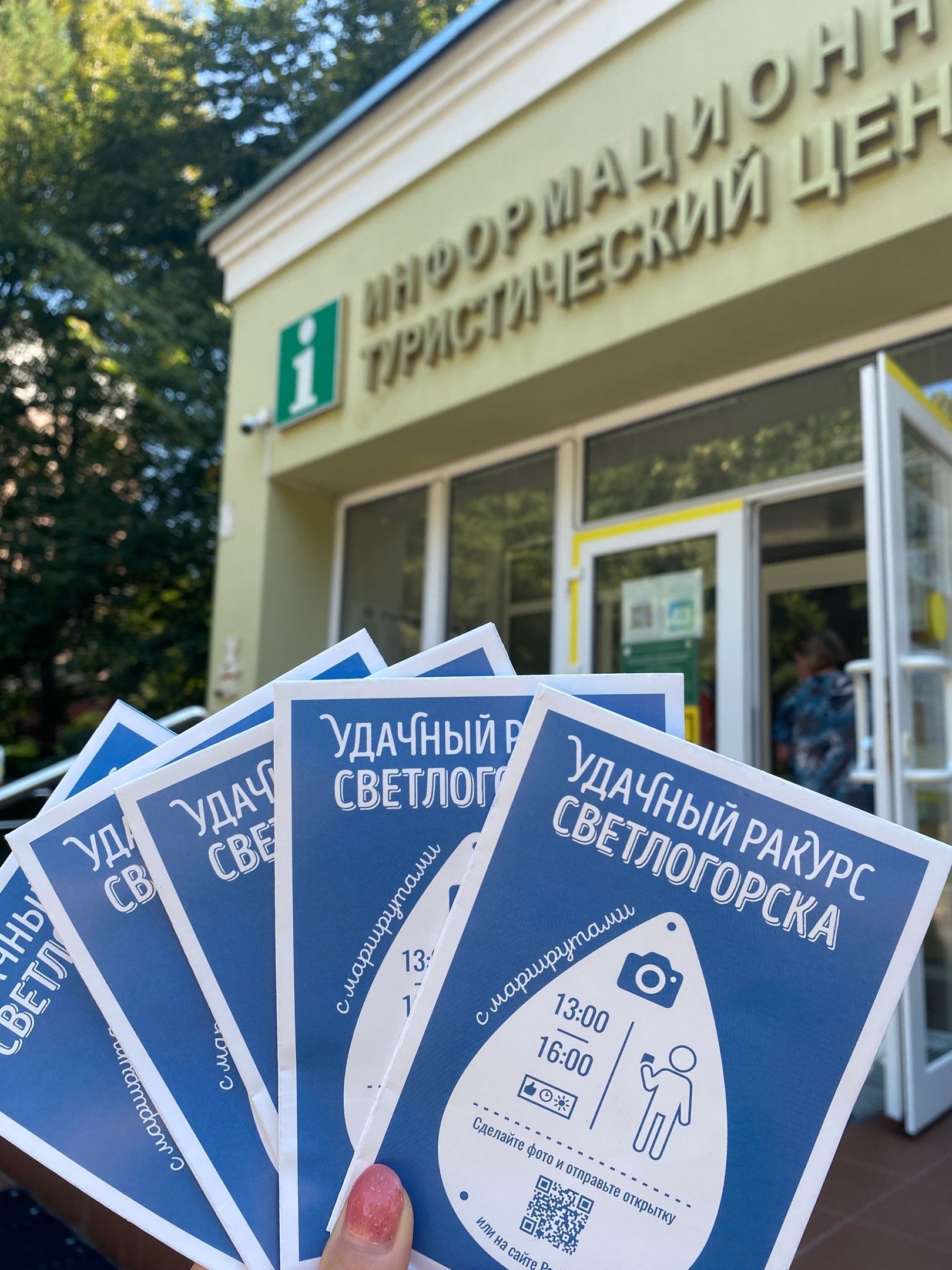
The Perfect Angle tourist route helps you take more interesting photographs in Svetlogorsk. Look for droplet-shaped signposts near the town’s attractions: they mark the places from which the best photographs can be taken. Symbols on the signs indicate the best time and position for taking a photograph, the position of the smartphone, and a QR code leading to the Svetlogorsk Tourist Information Center website, where information about all the route’s attractions is available.
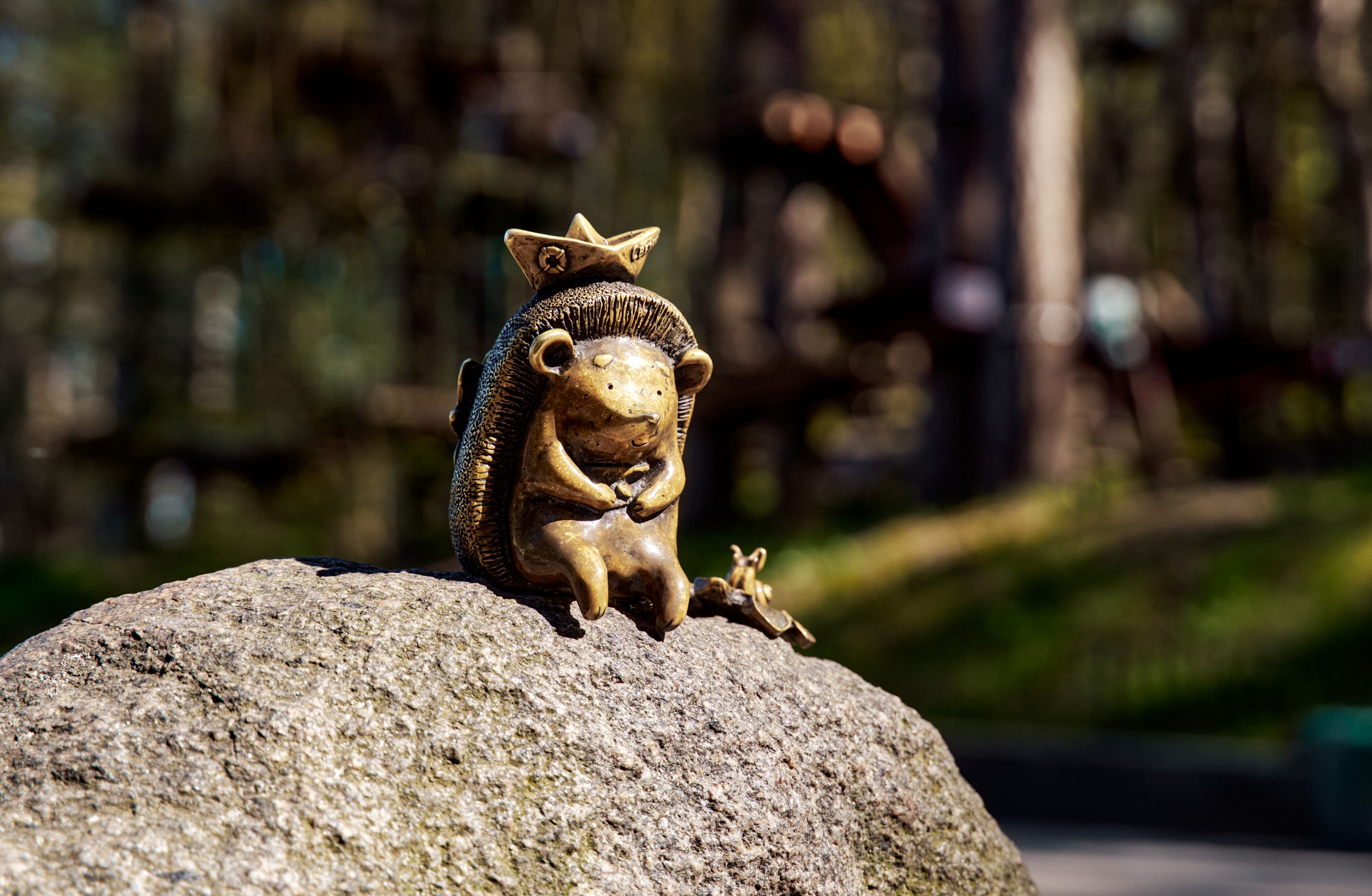
Svetloyozhiki is a children’s quest route created by the authors of the Mosaic Route and laid out around Lake Tikhoye in Svetlogorsk.