
Svetlogorsk Attractions
Svetlogorsk is often called the pearl of the Amber Region. Its natural surroundings, resort infrastructure and rich cultural history attract visitors throughout the year.
Take an unhurried walk through the town’s green streets and discover the main attractions of this Baltic resort.
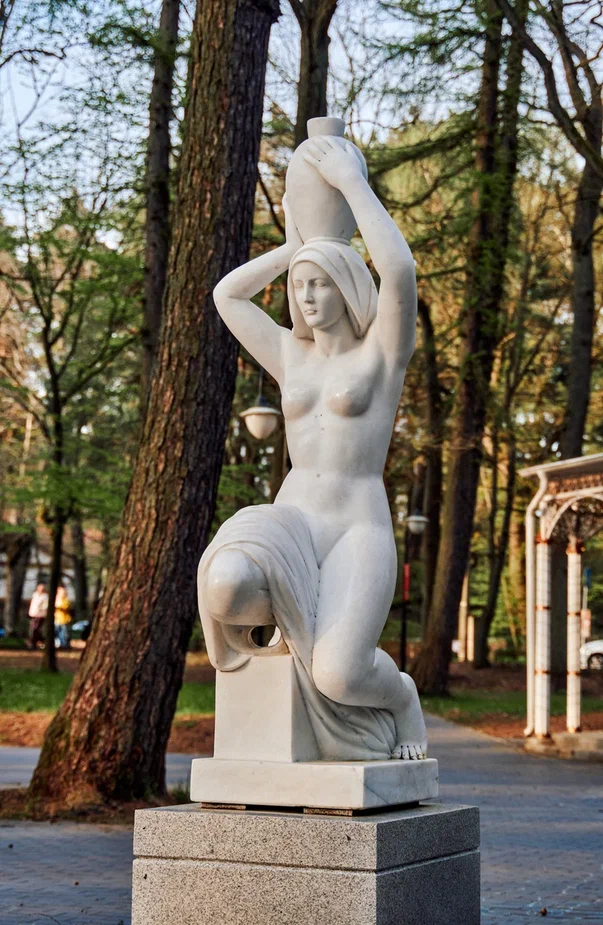
The Water Carrier sculpture (German: Wassertraegerin) was created in marble in 1940 by the renowned German sculptor Hermann Brachert (1890-1972) in Georgenswalde, now the western part of Svetlogorsk and formerly Otradnoye, in the workshop on the grounds of the house where the sculptor's family lived. From 1944 to 2002, the sculpture stood in Listvennichny Park (Larch Park), but because it was at risk of complete destruction, it was dismantled on October 15, 2002 and taken to the Hermann Brachert House Museum for restoration, where it remains today. A precise copy of the sculpture was produced at the Hermitage to replace the original and installed in the park at its former location in 2005. In 2020, during the reconstruction of Listvennichny Park, the copy was transferred to the Kaliningrad Museum of Fine Arts. Today, a new marble copy of the sculpture stands in the park. It is a cultural heritage site of regional significance.
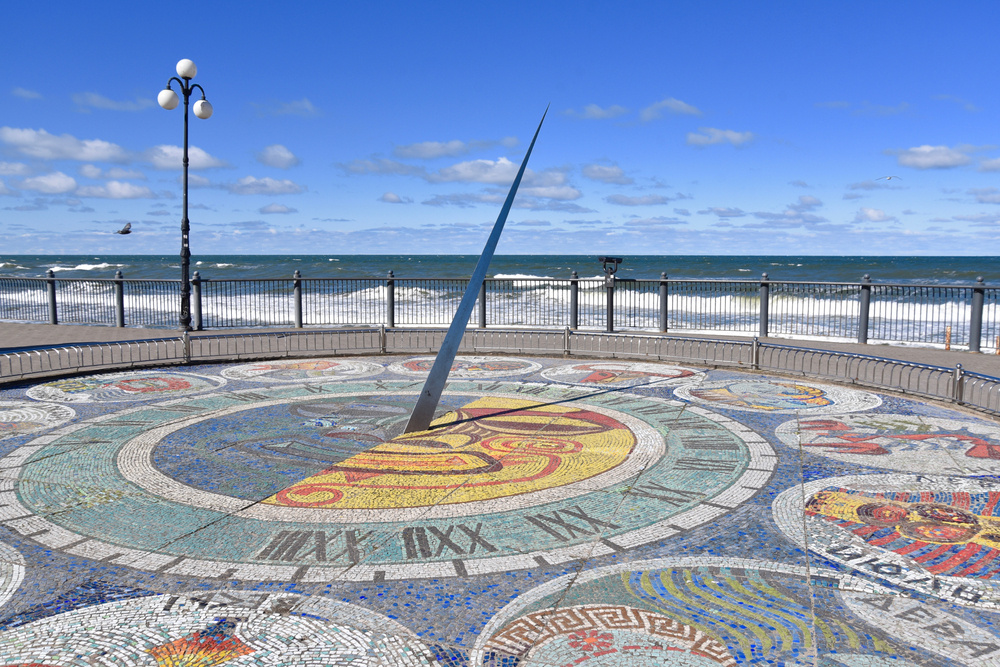
Thanks to him, the famous Zodiac Sundial, created using a mosaic technique, appeared on the Svetlogorsk promenade. The sundial was entered in the Guinness Book of Records for the precision and originality of its composition.
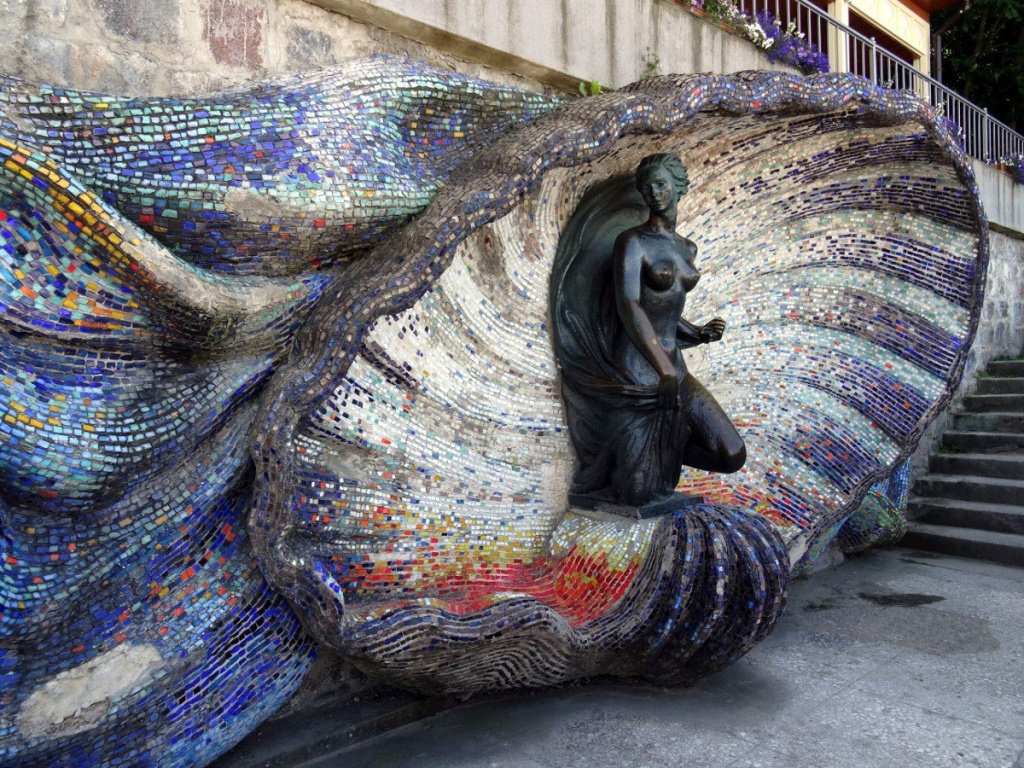
He created the smalt mosaic shell surrounding Hermann Brachert's Nymph sculpture.
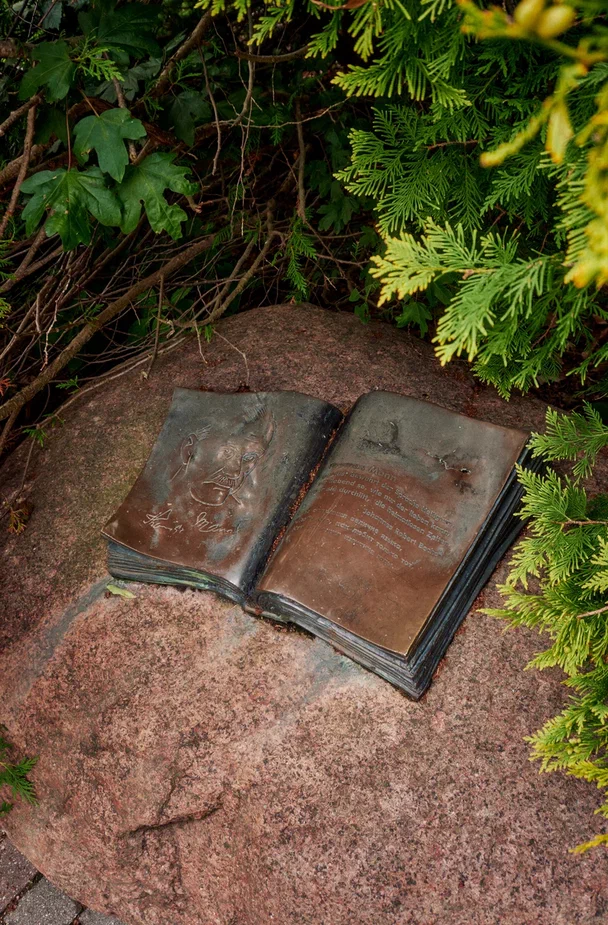
Thomas Mann (1875-1955), one of the greatest German writers and a Nobel Prize laureate, spent almost a month in Rauschen, from July 29 to August 23, 1929, at the invitation of the Goethe Union to take part in public literary readings. The writer stayed on the Promenade near the Kurhaus. It was here that the novella Mario i Fokusnik (Mario and the Magician) was written.
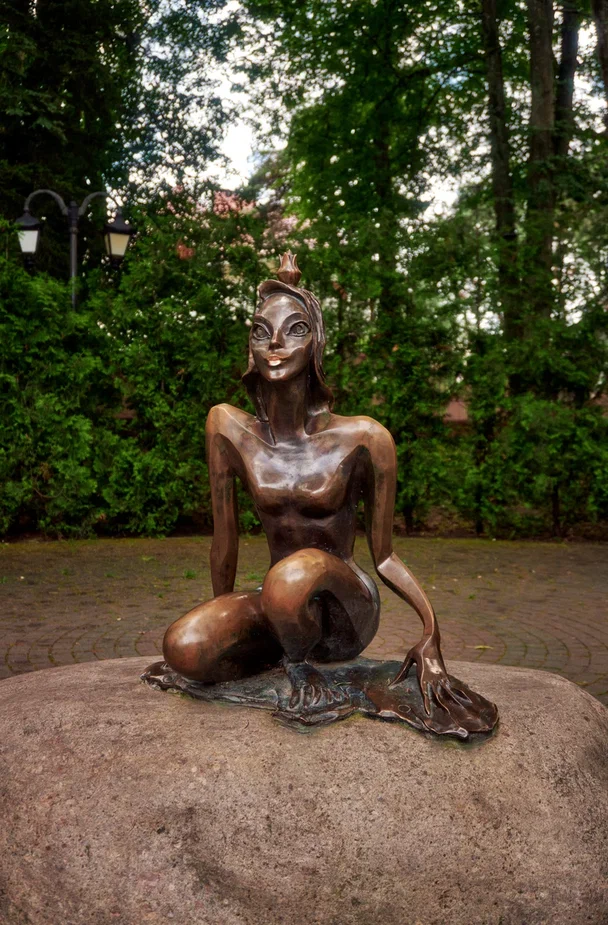
Frog Princess (Tsarevna-Lyagushka), a character from a Russian folk tale, is depicted at the moment when she has already shed her frog skin and begun to transform into a beautiful princess. According to a belief, if you exchange kisses with the princess by touching your finger first to your own lips and then to hers, your dearest wish will come true. Author: Honoured Artist of Russia Oleg Melekhov. 2006, bronze.
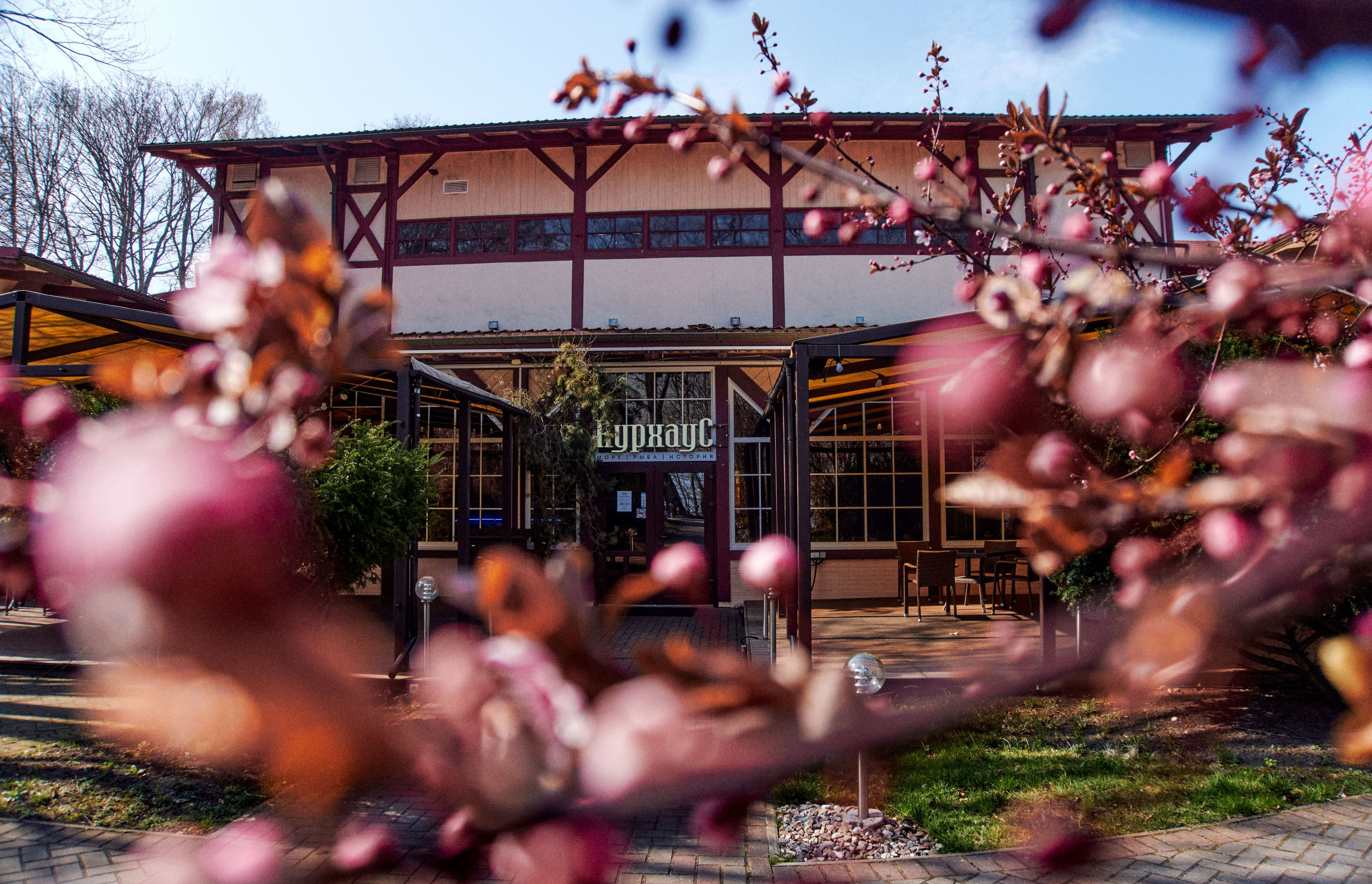
The Rauschen Kurhaus (German: Kurhaus, resort house) was built in 1901. In German resort towns, Kurhaus status was granted to a hotel that served as the center of resort life, taking into account its elegance, convenient location and facilities for holidaymakers' entertainment. The building was designed in a style typical of German seaside towns in the early 20th century, with elements of Jugendstil, the German term for Art Nouveau. Spacious glazed verandas were used for reading newspapers, playing billiards and card games. Concerts were held in the large hall, which from August 2, 1903 also hosted Lutheran services for holidaymakers throughout the resort until a church was built in Rauschen. The Kurhaus complex also included three wooden buildings whose rooms were rented to holidaymakers only during the summer season. A distinctive feature of the Rauschen Kurhaus was that it did not belong to the town but was a private establishment owned by the Kempf family. The building was reconstructed in 2002 and today houses a restaurant complex of the same name. It is a cultural heritage site of regional significance.
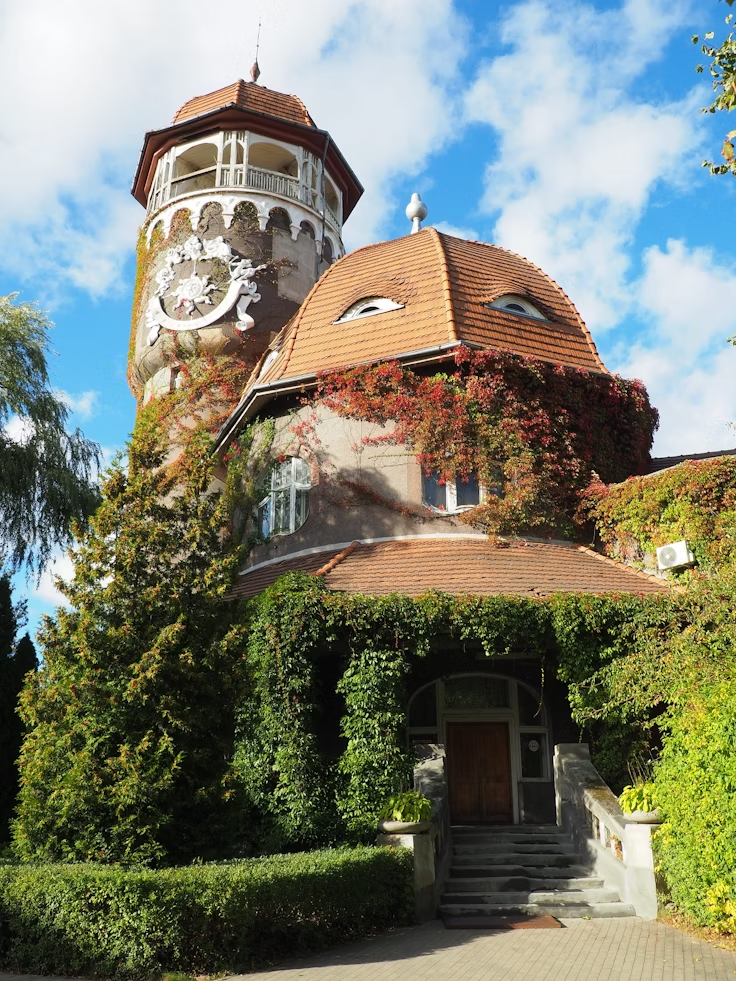
The building of the seawater and mud treatment facility with a 25-metre water tower (German: Wasserturm Rauschen) was erected in 1900-1908 to a design by architect Otto-Walter Kuckuck. Built in the National Romantic style, it became the dominant feature and organising element of the upper, dune-side part of Rauschen. The tower supplied Rauschen with water drawn from springs near Melnichny Prud (Mill Pond), now Tikhoye Lake. At the water and mud treatment facility, visitors could take warm seawater and carbon dioxide baths and receive mud, electrical and light therapy, as well as therapeutic massage. In 1978, the tower was decorated with a sundial created by Svetlogorsk artist and monumental sculptor N.P. Frolov. Beneath the helmet-shaped roof is an observation deck overlooking the town and its surroundings. Today, the tower and the operating water and mud treatment facility are part of the Svetlogorsk Military Sanatorium. It is a cultural heritage site of regional significance.
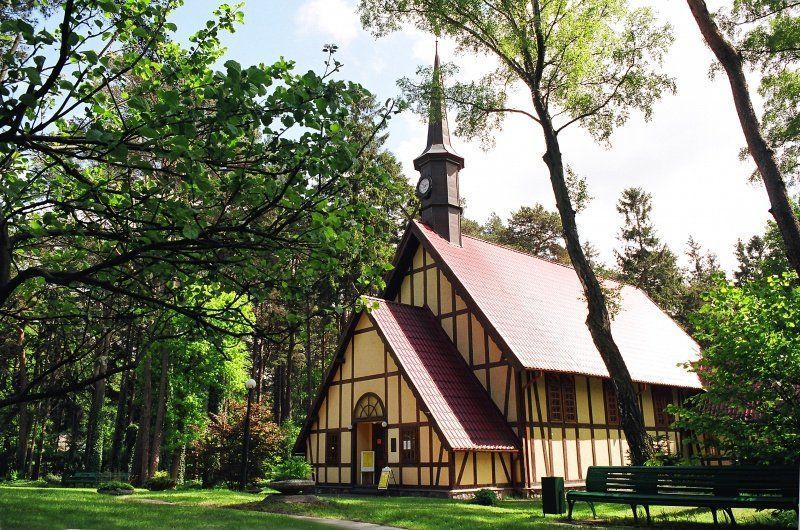
The only private organ hall in the Kaliningrad Region is housed in the restored building of a Catholic chapel built in 1931. Since 1995, the magnificent organ made by Xyro Mayer has sounded here, and organ music concerts are held regularly.
.png)
The Rauschen Lutheran church was founded in 1903 using private donations and consecrated on July 7, 1907. Architects: Otto Walter Kuckuck and Wichmann. In 1992, the building was consecrated as the Orthodox Church of Saint Seraphim of Sarov.
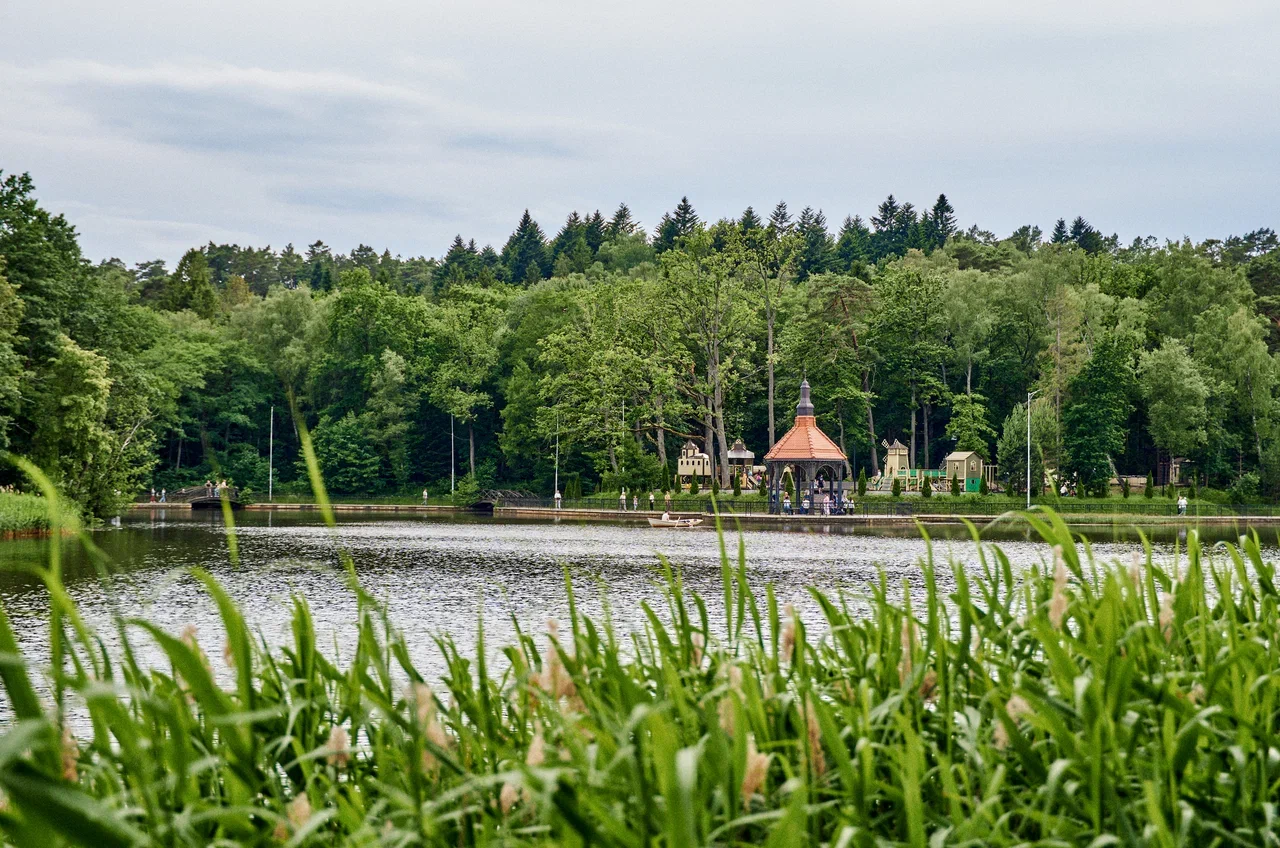
The lake appeared almost 800 years ago after knights of the Teutonic Order dammed the small Cat Stream. The resulting pond was called Mill Pond (German: Muelenteich), while the stream became known as Rauschen Mill Stream. The largest water mill on the Zemland Peninsula was located here and operated until the 1920s. Today, Tikhoye Lake is a popular recreation area for residents and visitors. Its shores are home to the picturesque Muse Creative Park, a boat station and a rope park.
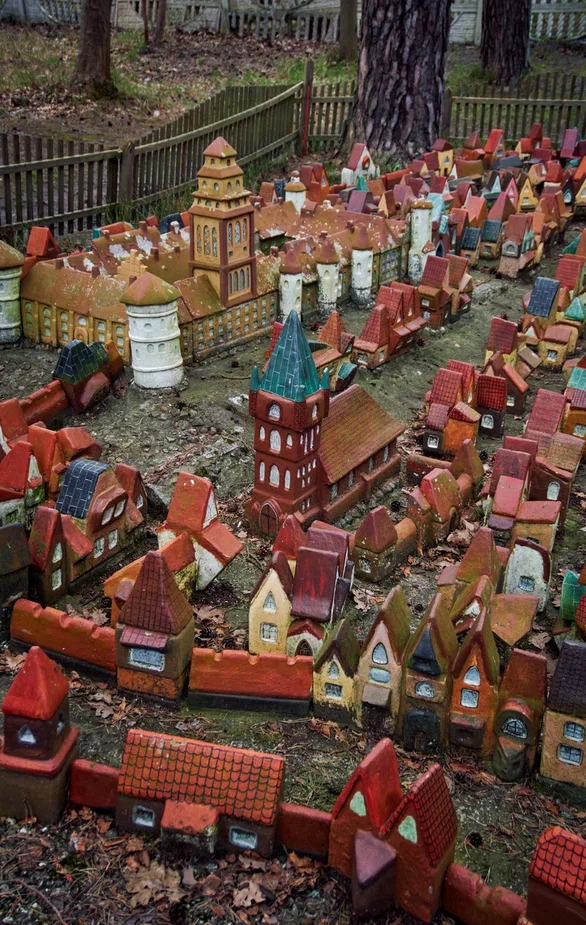
The project is based on a model of Königsberg Castle and the three medieval towns of Altstadt, Kneiphof and Löbenicht. The model is built at a scale of 1:120 and is displayed outdoors.
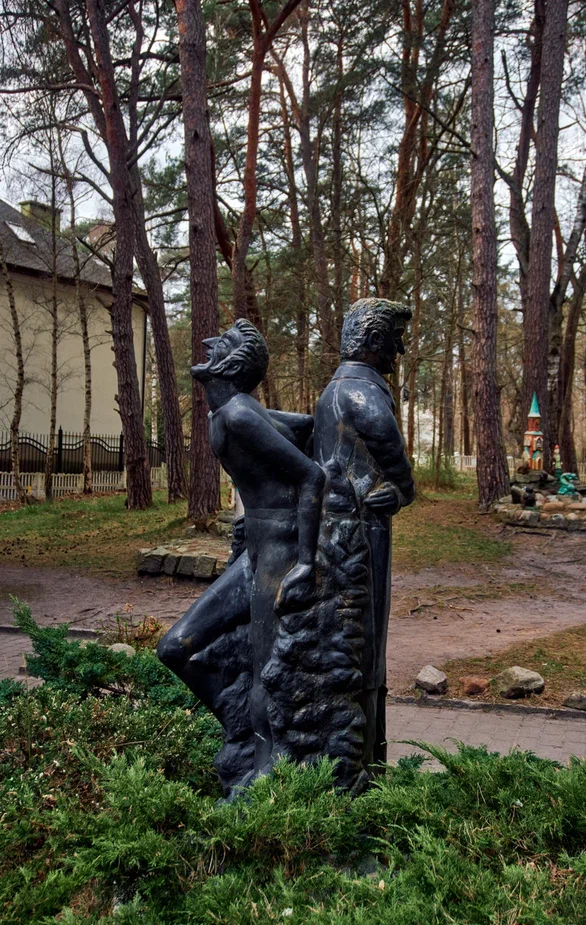
The sculpture depicts the duality of Ernst Theodor Amadeus Hoffmann's inner world: on the one hand, he was a writer of fairy tales, composer and artist, and on the other, a lawyer and civil servant. The sculpture is installed on the grounds of the Storyteller's House guest house; the author is S.N. Usachyov. Nearby, visitors can also see other sculptural compositions inspired by the writer's works, as well as a model of medieval Königsberg. The model depicts the landscape on which the medieval city stood and more than 500 architectural structures, around 30 of which are historically significant. These include the castle, cathedral, churches, fortress walls, towers, town halls and bridges.
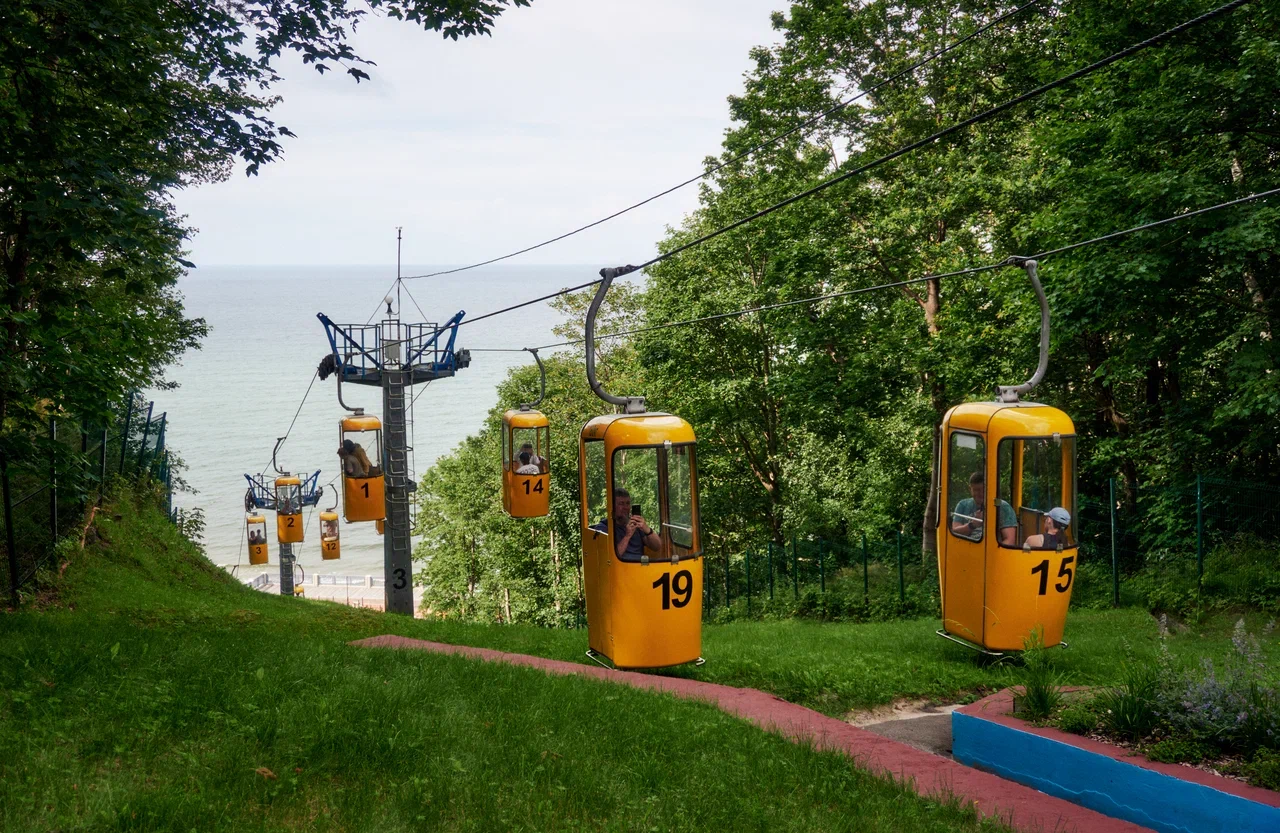
The only cable car in the Kaliningrad Region connects the seaside promenade with the upper, central part of the resort. It first began operating in 1983 and was reconstructed in 2014. The cable car is 118 metres long, with an elevation difference of 34 metres. Its speed of 0.5 metres per second allows passengers to enjoy picturesque views of the Svetlogorsk coastline.
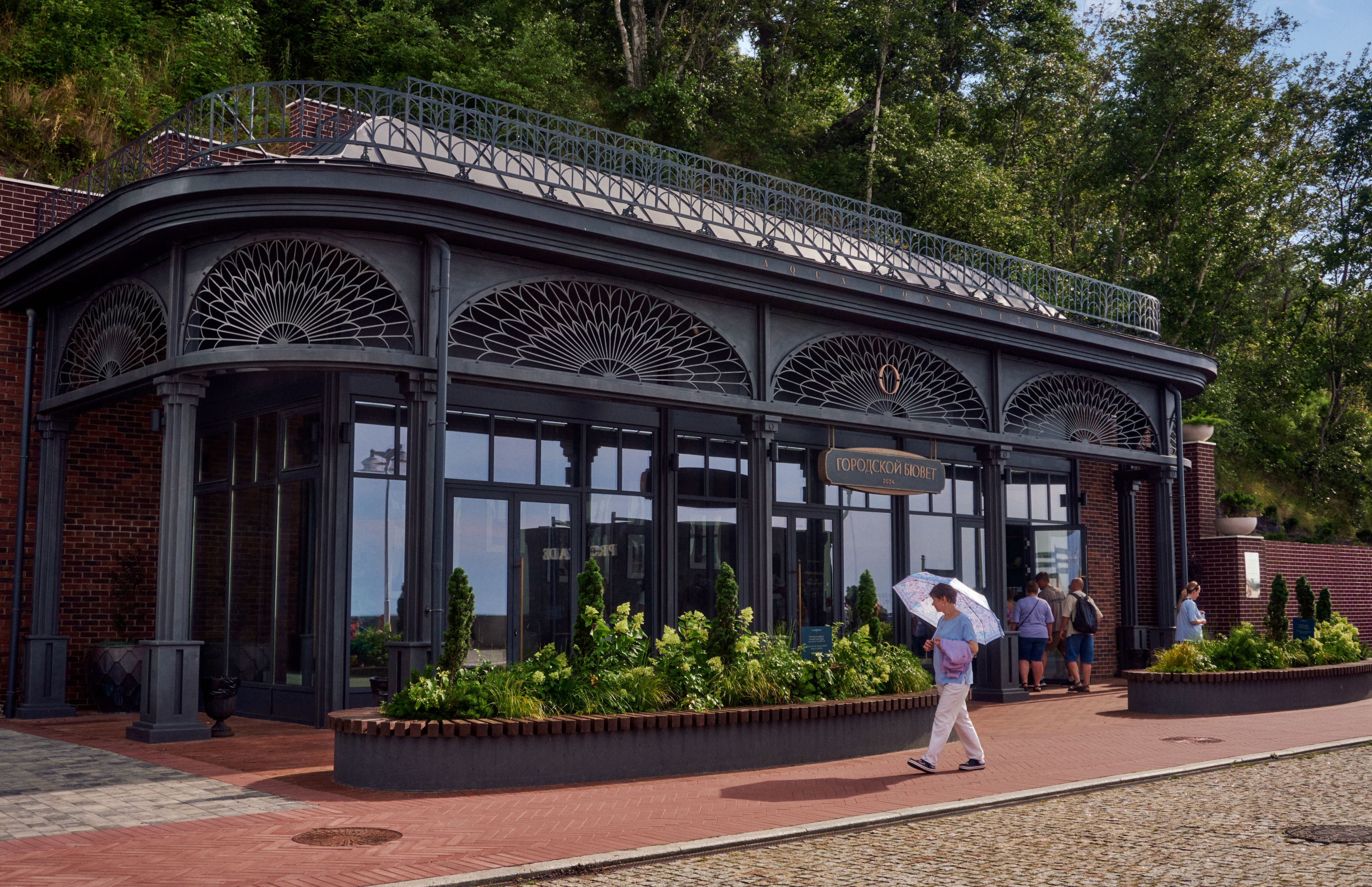
The mineral water pump room opened on the promenade near the Zodiac Sundial in September 2024. Now, while taking a wellness walk along the sea, visitors can enjoy the taste of local therapeutic mineral water.
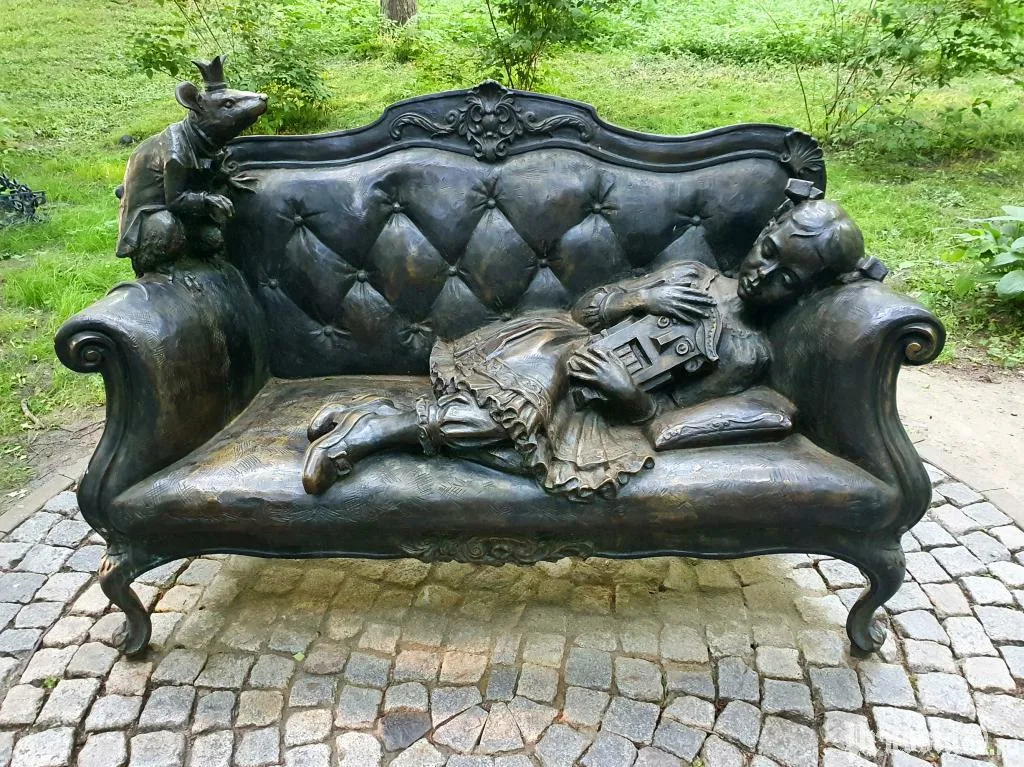
The Sleeping Marie sculptural composition, created by sculptor Andrey Shevtsov in 2019 based on E.T.A. Hoffmann's fairy tale The Nutcracker and the Mouse King, is installed in the picturesque Vremena Goda (Seasons) Park. The Sleeping Marie composition is a bench with figures of Marie, the heroine of the story, and the Mouse King, who sits on the armrest of the bench and looks at the sleeping girl.
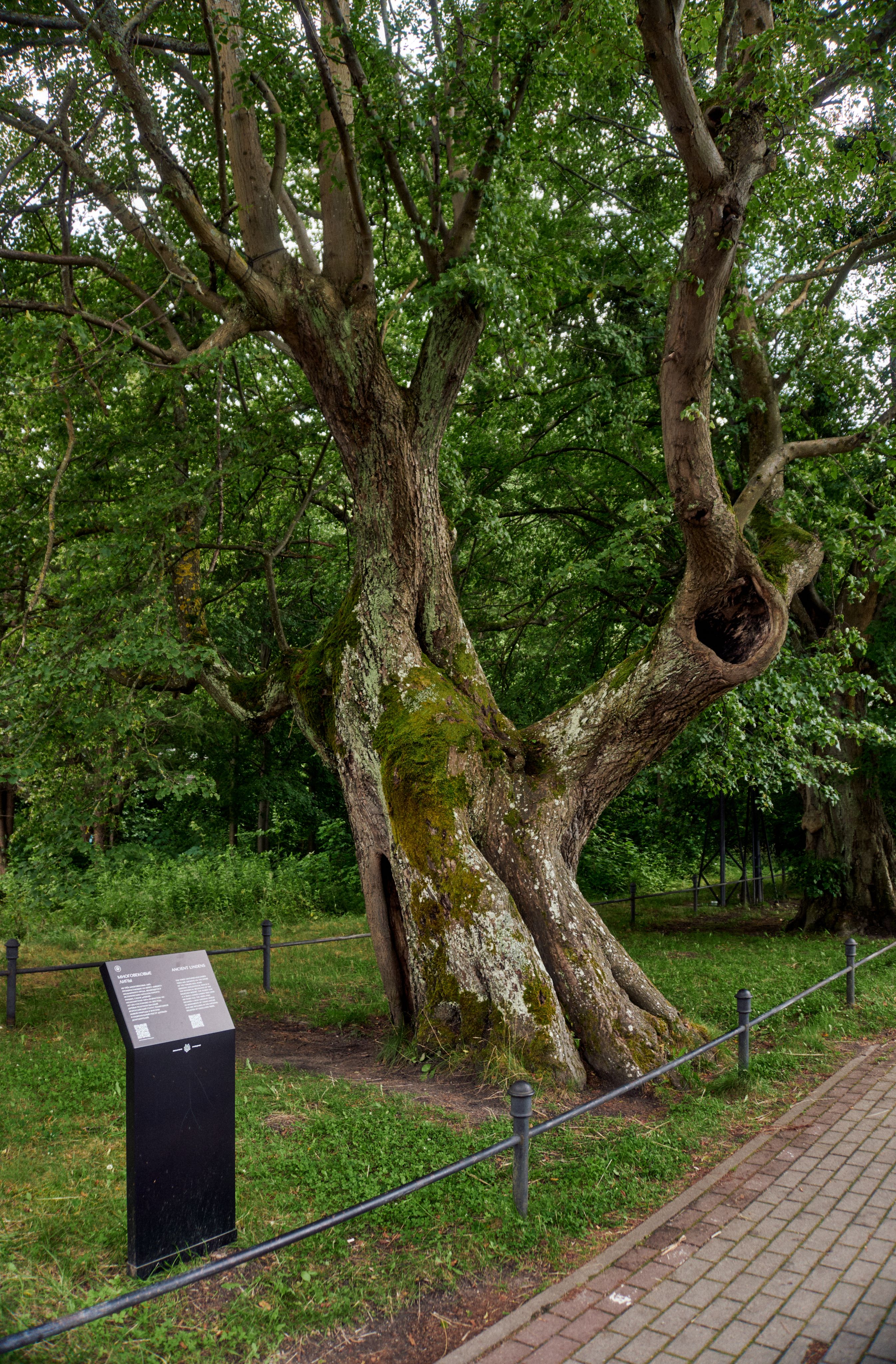
Of the three centuries-old linden trees growing on the shore of the former Melnichny Pond, the oldest is more than 460 years old. In 2012, the tree was granted the prestigious national status of a natural monument and entered in the national register of long-lived trees.
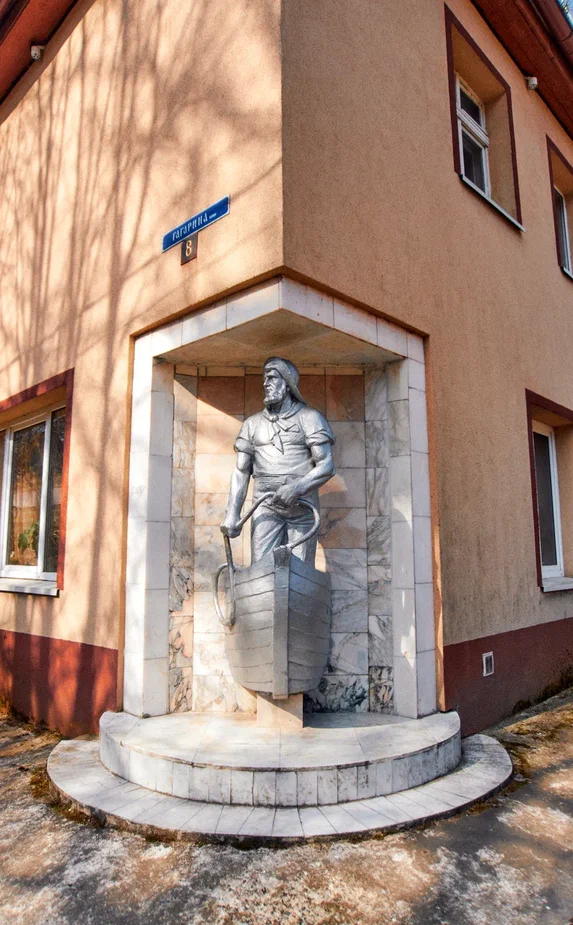
The wall-mounted Fisherman of Rauschen sculpture was created by an unknown German sculptor in the pre-war period and fully reflects the life and traditions of old Rauschen. After restoration carried out by Svetlogorsk sculptor N. Frolov in 1994, the sculpture became an ornament of a residential building dating from the early 20th century.
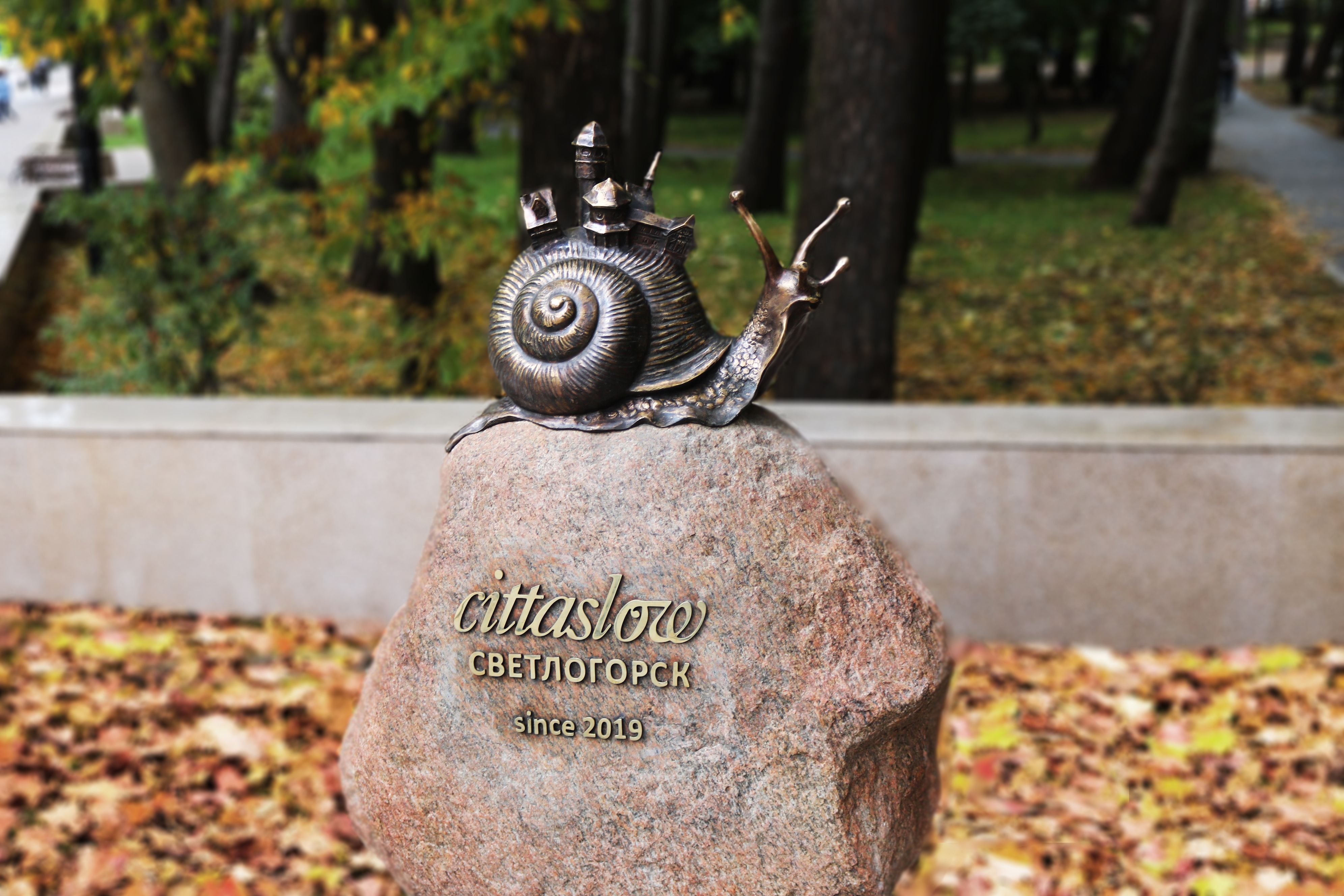
In 2019, Svetlogorsk became the first Russian city admitted to the international Cittaslow association of cities. The association's name comes from the Italian citta, meaning city, and the English slow. Founded in Italy in 1999, the movement includes around 240 cities worldwide. Its principles are to improve quality of life by slowing the pace of urban life, enjoying the uniqueness of each city, and resisting uniformity and standardisation. Cities in the association support local cuisine, the creation of new green and pedestrian areas, clean technologies and the production of handmade goods, while fostering an atmosphere of good neighbourliness and hospitality. The symbol of Cittaslow is a snail. Local residents proposed creating a sculpture symbolising Svetlogorsk's participation in the Cittaslow movement. The sculpture was funded by the municipal enterprise Svetlogorsk Parks with the support of the administration of the Svetlogorsk Urban District. The sculpture was installed in September 2021. Sculptor: Andrey Shevtsov.
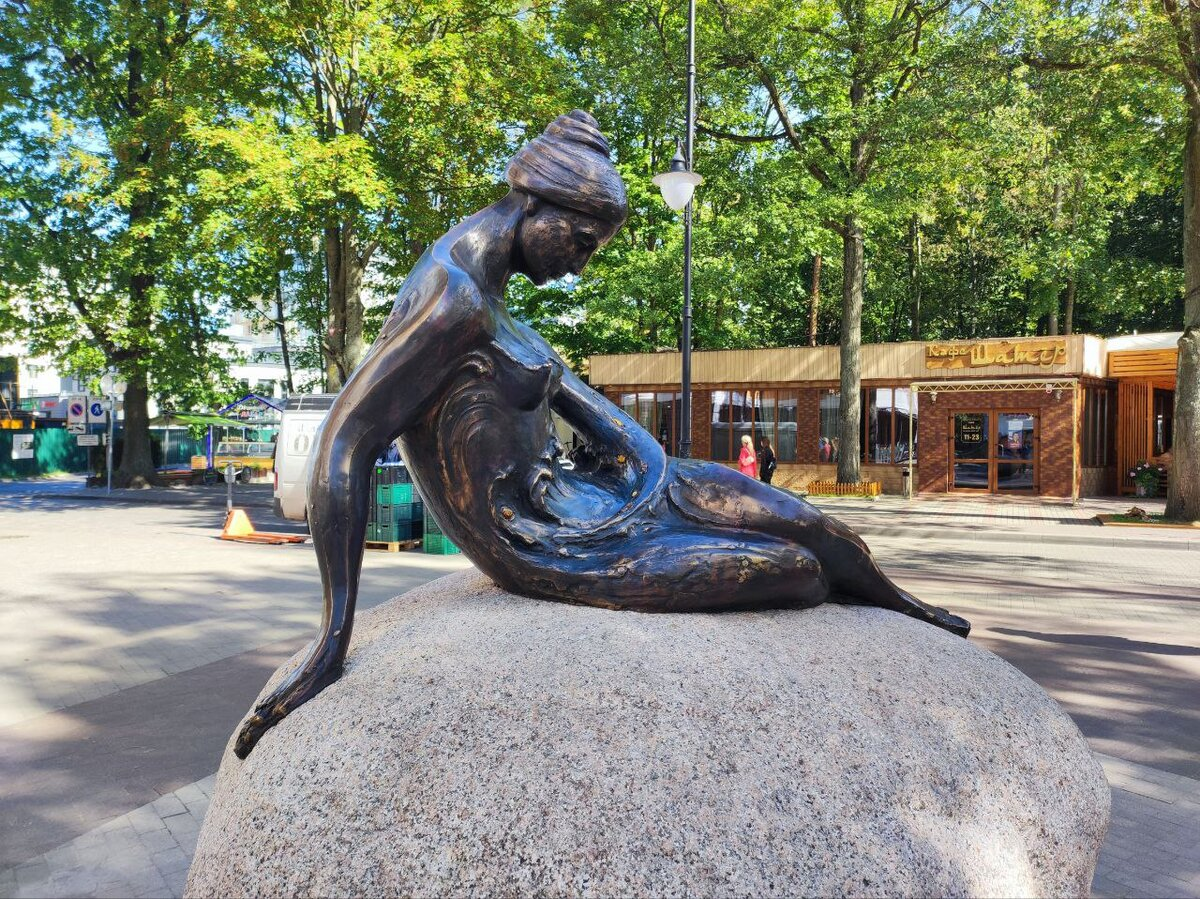
The sculpture is inlaid with pieces of amber and personifies a Baltic wave. According to the artist's concept, it is a composite image associated with the Baltic Sea, as unpredictable and incredibly beautiful as a woman's nature, and with its gift, amber. There are no fixed proportions or sharply defined forms: the sculptor depicted the symbol of a wave, so all the curves are soft and streamlined. Author: Andrey Shevtsov, 2022, bronze.
Popular routes
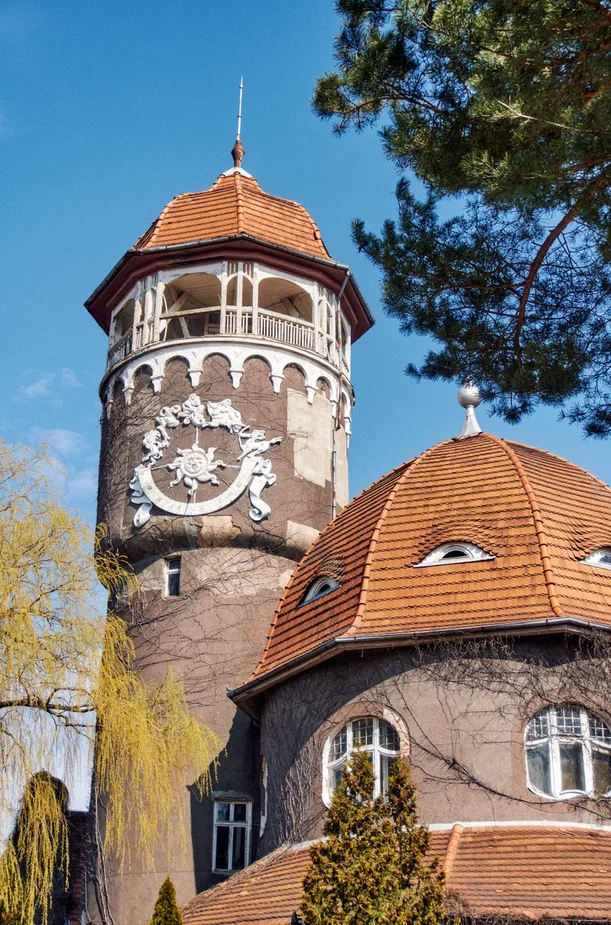
Country houses, villas and boarding houses were built in park areas and blended harmoniously into the surrounding landscape. Follow the route to discover the architectural monuments that have survived to this day.
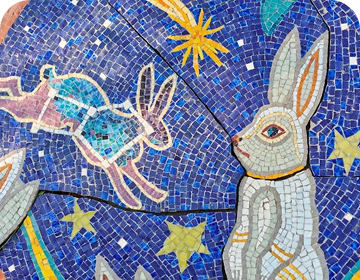
The history of mosaics in Svetlogorsk begins with the famous Zodiac sundial by Nikolay Pavlovich Frolov, created in the 1970s. Artists from the annual Svetlogorsk festival The Sea Within decided to continue this tradition and, with the support of the administration of the Svetlogorsk Urban District, created the Mosaic Route project, a virtual museum based on contemporary atmospheric surrealist art. The route not only encourages visitors to take a closer look at Svetlogorsk's unique nature and architecture, but also introduces contemporary cultural events at the resort: exhibitions, concerts, festivals, film screenings, workshops and musical picnics with the route's characters. The project organisers hold quest walks where participants can receive an exclusive route map showing all 25 art objects of the open-air museum and immerse themselves in the history of Svetlogorsk's mosaic heritage.
A map of the quest route for independent exploration can be purchased at the Information and Tourist Center of Svetlogorsk.
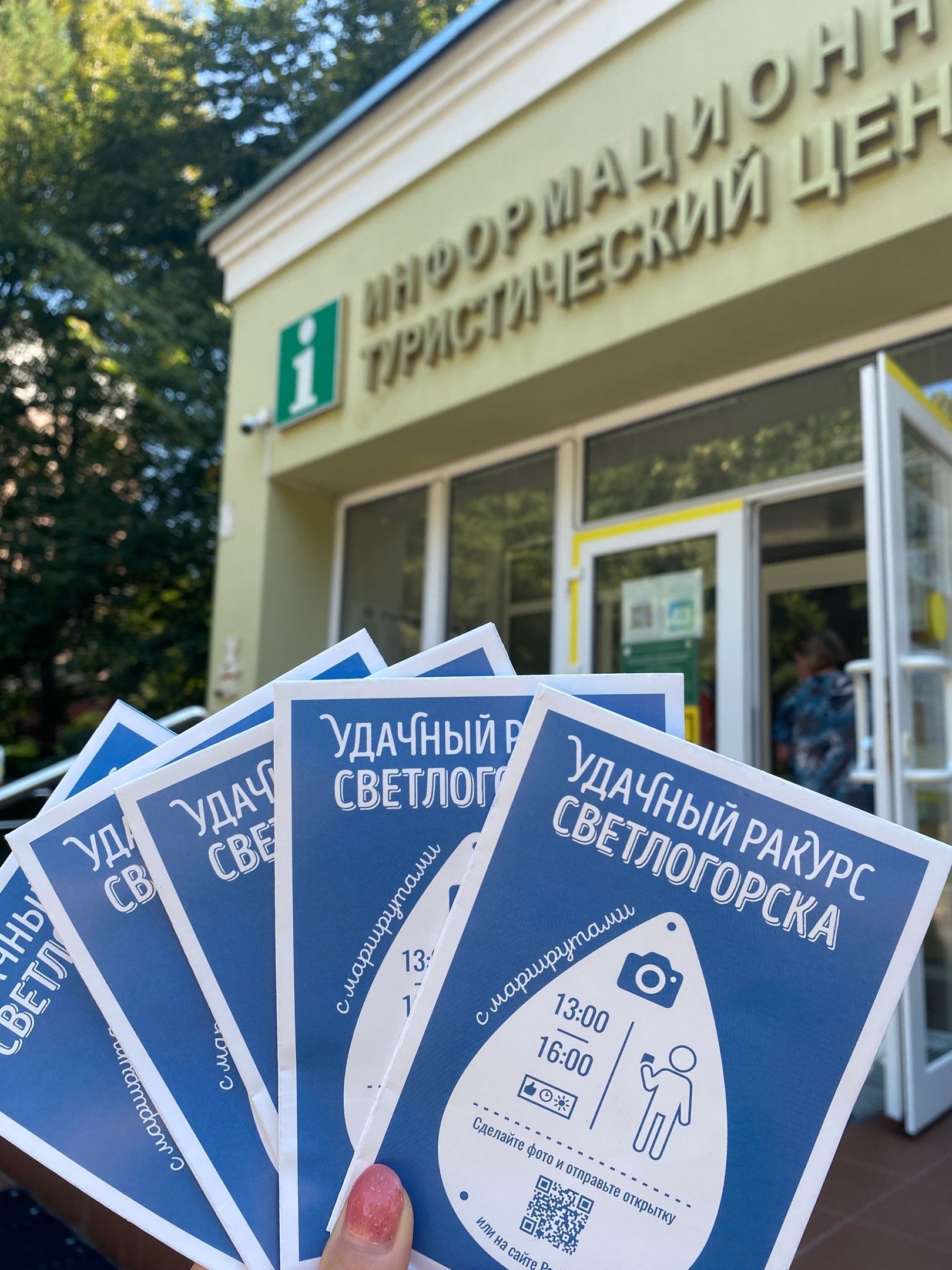
The Perfect Angle tourist route helps you take more interesting photographs in Svetlogorsk. Look for droplet-shaped signposts near the town’s attractions: they mark the places from which the best photographs can be taken. Symbols on the signs indicate the best time and position for taking a photograph, the position of the smartphone, and a QR code leading to the Svetlogorsk Tourist Information Center website, where information about all the route’s attractions is available.
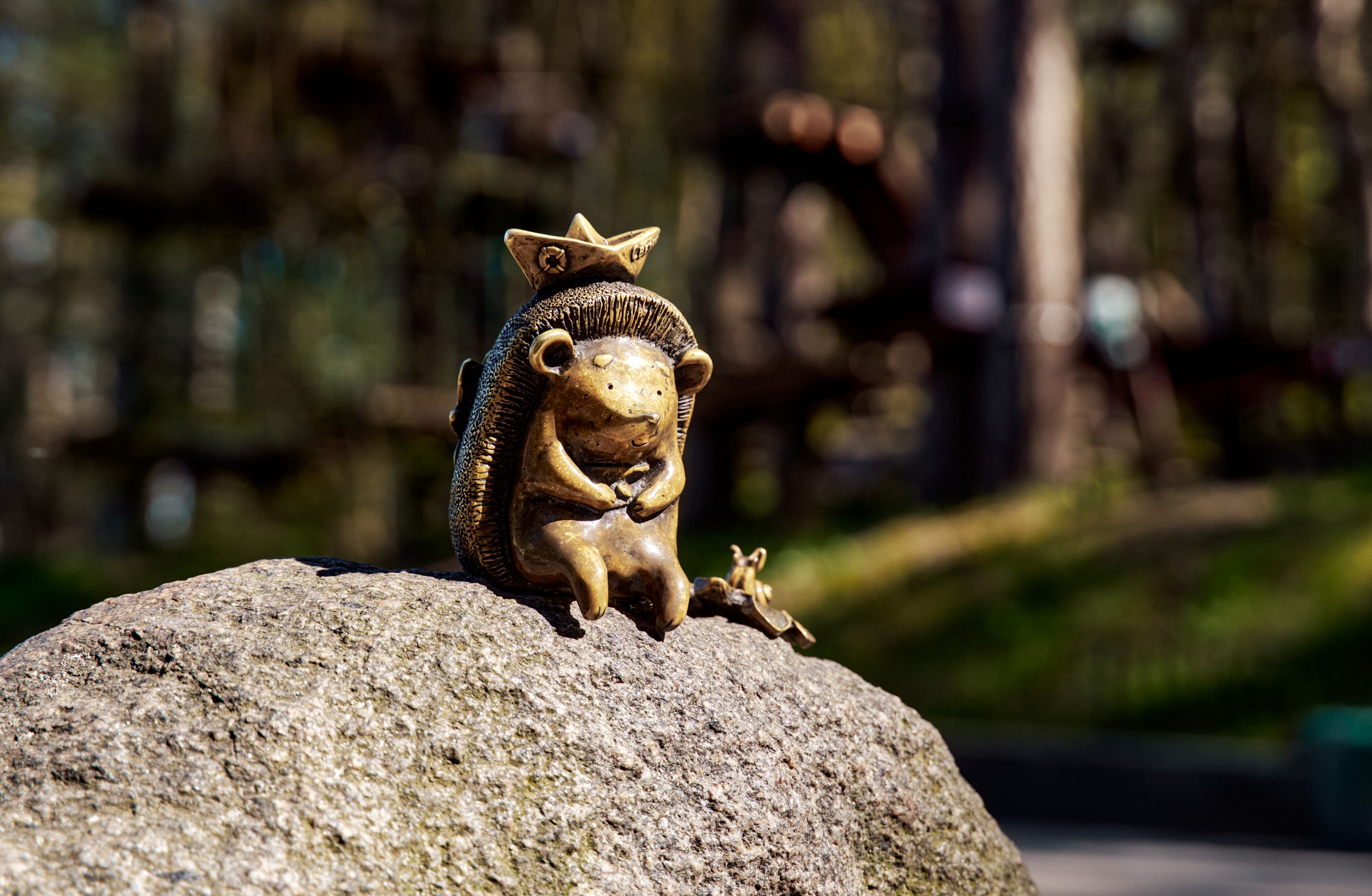
Svetloyozhiki is a children’s quest route created by the authors of the Mosaic Route and laid out around Lake Tikhoye in Svetlogorsk.